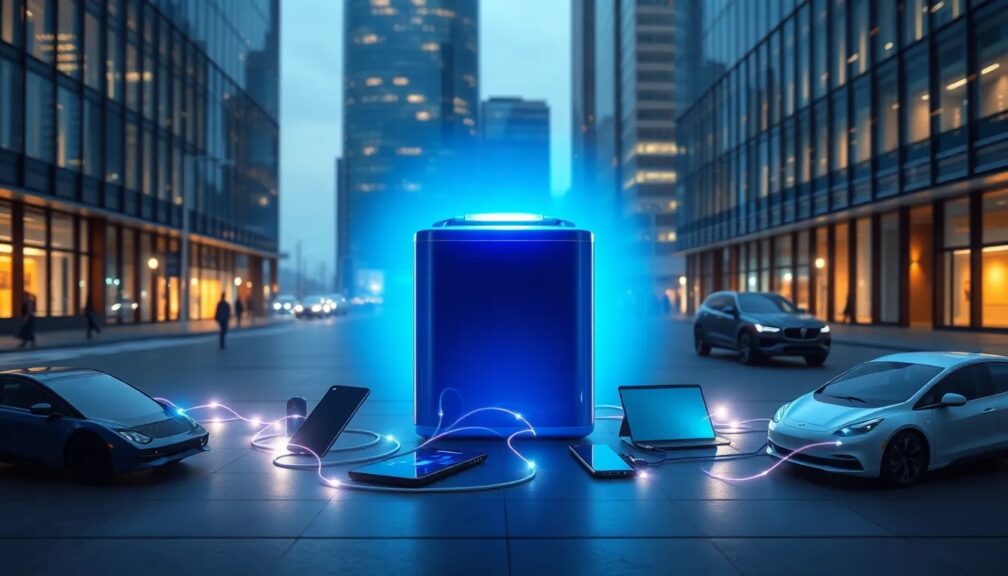
In our fast-paced modern world, the demand for reliable and efficient energy sources has never been more critical. At the heart of this revolution lies the lithium-ion battery, a technology that has transformed how we power our devices, from smartphones and laptops to electric vehicles and renewable energy systems. As we delve into the intricacies of lithium-ion batteries, we will explore their composition, how they work, their benefits, and their impact on various industries.
The Fundamentals of Lithium-Ion Batteries
What is a Lithium-Ion Battery?
A lithium-ion battery is a type of rechargeable battery that uses lithium ions as the primary component of its electrochemistry. Initially commercialized in the 1990s, these batteries have rapidly become the go-to solution for portable power due to their impressive energy density and cycle longevity.
Key Components of Lithium-Ion Batteries
The basic structure of a lithium-ion battery consists of an anode, a cathode, an electrolyte, and a separator.
- Anode: Typically made of graphite, it stores lithium ions during the charging phase.
- Cathode: Usually composed of various lithium metal oxides, such as lithium cobalt oxide (LiCoO2), it releases lithium ions during discharge.
- Electrolyte: A lithium salt dissolved in an organic solvent, this medium allows for the movement of lithium ions between the anode and cathode.
- Separator: A thin membrane that prevents direct contact between the anode and cathode while allowing lithium ions to pass through.
This arrangement allows for efficient energy storage and release, making lithium-ion batteries indispensable in modern technology.
The Advantages of Lithium-Ion Batteries
High Energy Density
One of the most significant advantages of lithium-ion batteries is their high energy density. They can store more energy per unit weight than traditional battery technologies like nickel-cadmium (NiCd) or lead-acid batteries. This means that devices powered by lithium-ion batteries can be smaller and lighter, making them ideal for portable electronics and electric vehicles.
Long Cycle Life
Lithium-ion batteries are known for their long cycle life. They can endure several hundred to a few thousand charge and discharge cycles depending on the usage and care. This longevity reduces the need for frequent replacements, making them a cost-effective solution in the long run.
Low Self-Discharge Rate
Unlike older battery technologies, lithium-ion batteries have a low self-discharge rate. This characteristic allows them to retain their charge for extended periods, making them ideal for devices that may not be used frequently.
Environmentally Friendly
Lithium-ion batteries are considered more environmentally friendly compared to their predecessors, mainly because they don’t contain toxic heavy metals like cadmium or lead. However, responsible disposal and recycling practices are still necessary to minimize environmental impact.
The Impact of Lithium-Ion Batteries Across Industries
Consumer Electronics
The most noticeable impact of lithium-ion batteries is in consumer electronics. Smartphones, laptops, tablets, and wearable devices have all seen transformative advances due to the high capacity and lightweight nature of these batteries. Manufacturers can design sleeker, lighter devices that offer extended usage times, which is a significant advantage for users.
Electric Vehicles (EVs)
The automotive industry has undergone a paradigm shift with the rise of electric vehicles, largely powered by lithium-ion battery technology. These batteries not only provide the necessary range for daily commutes but are also essential for developing more sustainable transportation options. Innovations in lithium-ion battery technology have led to increased range per charge and faster charging times, making electric vehicles more appealing to consumers.
Renewable Energy Storage
As the world pivots toward renewable energy, lithium-ion batteries play a crucial role in energy storage systems. They help balance the intermittent nature of solar and wind energy by storing excess energy generated during peak production times for later use. This enhances the stability and reliability of renewable energy sources, paving the way for a more sustainable energy future.
Medical Devices
In the medical field, portable medical devices such as insulin pumps and cardiac monitors rely on lithium-ion batteries, providing patients with mobility while ensuring their devices are lightweight and efficient. The reliability and longevity of these batteries are of utmost importance in ensuring that medical devices function optimally.
Challenges and Limitations of Lithium-Ion Batteries
Thermal Runaway
While lithium-ion batteries are generally safe, they are susceptible to thermal runaway, a condition that can result in overheating and potential fires or explosions if the battery is damaged or improperly charged. Manufacturers continue to develop safety features to mitigate this risk, including advanced battery management systems and thermal management solutions.
Resource Scarcity
The production of lithium-ion batteries relies heavily on lithium and other materials, such as cobalt and nickel. As global demand increases, concerns have arisen regarding the ethical sourcing of these materials and the environmental impact of mining practices. This highlights the need for sustainable sourcing and recycling practices in the lithium-ion battery industry.
End-of-Life Management
Although lithium-ion batteries are less harmful to the environment than their predecessors, their disposal still poses challenges. As these batteries reach the end of their life cycle, effective recycling infrastructure is necessary to recover valuable materials and reduce landfill waste.
Future Trends in Lithium-Ion Battery Technology
Solid-State Batteries
One of the most exciting trends in the lithium-ion battery sector is the development of solid-state batteries. These batteries promise to increase energy density and safety by using a solid electrolyte instead of a liquid one. With the potential to recharge faster and last longer, solid-state batteries could be the next big leap in portable power technology.
Enhanced Recycling Technologies
As the demand for lithium-ion batteries grows, so does the necessity for effective recycling methods. Innovations in battery recycling technologies will play a pivotal role in recovering valuable materials, reducing waste, and minimizing the environmental footprint of battery production.
Sustainable Materials
Research is ongoing into developing more sustainable materials for battery construction, including alternative sources of lithium and other metals that are less harmful to the environment. These advancements could reduce dependence on ethically questionable mining practices.
Conclusion: Embracing the Lithium-Ion Future
The lithium-ion battery has undoubtedly revolutionized portable power, enabling a wide range of applications that enhance our daily lives and contribute to a more sustainable future. As technology advances, we can expect to see even greater efficiency, sustainability, and safety in lithium-ion battery designs.
To maximize the benefits of lithium-ion technology, consumers and industries alike must also focus on responsible usage, recycling, and continuing to support innovation within the industry. As we move toward a greener future, the lithium-ion battery will remain at the forefront of powering our devices, vehicles, and renewable energy systems.
Take Action: If you’re looking to make a more environmentally friendly choice, consider investing in devices powered by lithium-ion technology and support companies that prioritize sustainable practices in battery production and disposal. Every little action contributes to a more sustainable world.