In an era where environmental concerns are more pressing than ever, transitioning to clean energy solutions is not just a trend but a necessity. As homeowners, we have the power to reduce our carbon footprints and embrace sustainable living. By adopting clean energy practices, we can contribute to a healthier planet while enjoying the benefits of reduced energy costs. In this article, we will explore effective tips for creating a sustainable home through clean energy sources.
Understanding Clean Energy
Before delving into practical tips, it’s essential to understand what clean energy means. Clean energy refers to power derived from renewable resources that have minimal environmental impact. This includes solar, wind, hydroelectric, and geothermal energy. Unlike fossil fuels, these sources do not emit harmful greenhouse gases, making them crucial for reducing climate change and promoting sustainability.
The Importance of Clean Energy
Transitioning to clean energy not only benefits the environment but also has significant economic advantages. By investing in renewable energy technologies, homeowners can save on utility bills, increase property values, and foster energy independence. Additionally, using clean energy sources contributes to job creation in emerging industries, driving innovation and economic growth.
Harnessing Solar Power
1. Install Solar Panels
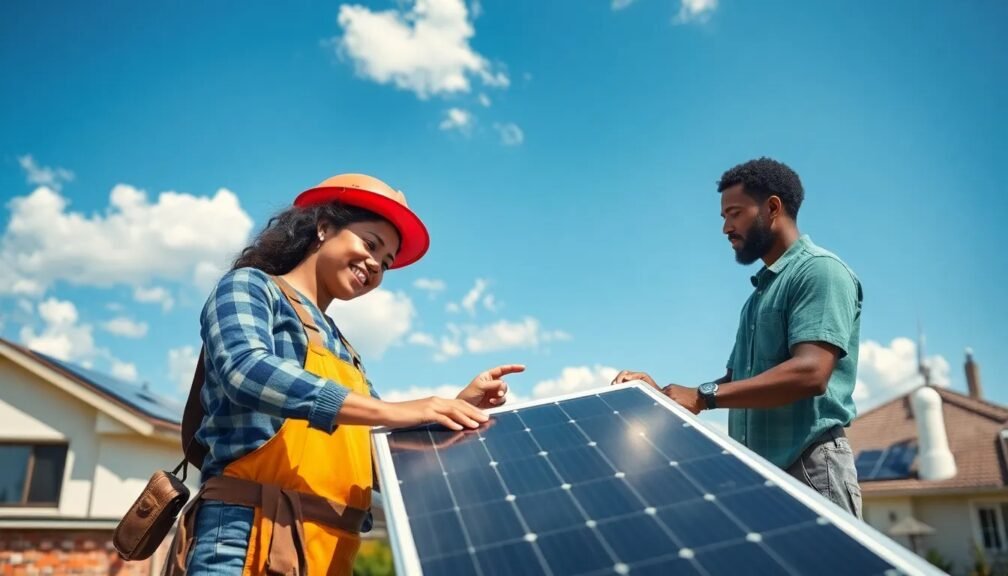
One of the most popular clean energy solutions is installing solar panels. These systems capture sunlight and convert it into electricity. Homeowners can benefit significantly from government incentives and rebates for solar energy installations, making this option increasingly accessible.
Tips for Solar Panel Installation:
- Conduct a Solar Assessment: Determine your home’s solar potential through a professional assessment.
- Choose Quality Panels: Invest in high-efficiency panels that maximize energy output.
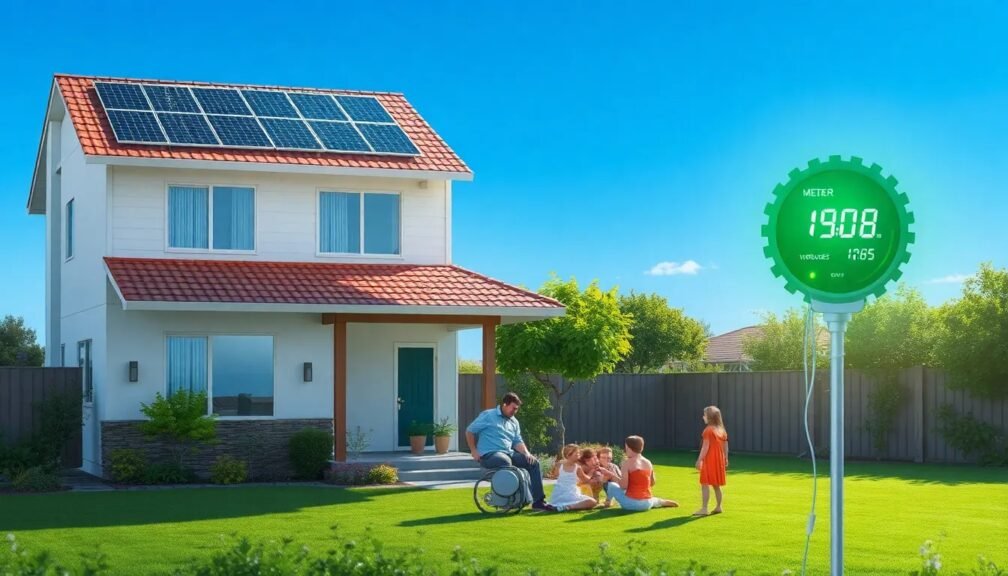
- Consider Net Metering: This allows you to sell excess energy back to the grid, further offsetting costs.
2. Utilize Solar Water Heating Systems
Besides electricity generation, solar energy can also be used for water heating. Solar water heaters utilize the sun’s energy to heat water for household use, significantly lowering energy bills.
Benefits of Solar Water Heating:
- Lower Operational Costs: Reduced reliance on conventional water heating methods decreases utility expenses.
- Environmentally Friendly: Utilizing a renewable energy source contributes to a sustainable lifestyle.
Energy-Efficient Appliances
3. Upgrade to Energy-Efficient Devices
Investing in energy-efficient appliances can help reduce your home’s energy consumption significantly. Look for appliances that have the ENERGY STAR label, which indicates they meet strict efficiency guidelines set by the U.S. Environmental Protection Agency.
Consider These Appliances:
- Refrigerators and Freezers: Modern units consume significantly less energy compared to older models.
- Washing Machines: Energy-efficient washers can save both water and electricity.
- LED Lighting: Transition to LED bulbs that use up to 80% less energy than traditional incandescent bulbs.
4. Smart Home Technology
Implementing smart home technology can elevate your clean energy efforts. Smart thermostats, energy monitors, and automated lighting systems allow you to manage and reduce energy consumption effortlessly.
Benefits of Smart Home Technology:
- Improved Efficiency: Systems can adjust to your behavior, optimizing energy use.
- Remote Control: Manage your home’s energy consumption from anywhere via smartphones.
Wind Energy Options
5. Residential Wind Turbines
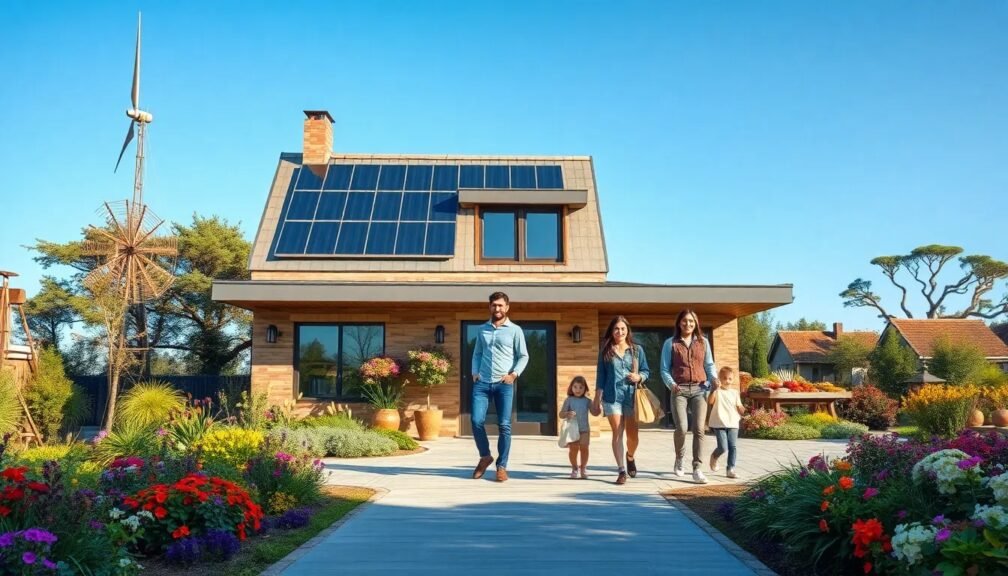
If you’re in a location with consistent wind, consider installing a small turbine. These systems generate electricity on-site from wind energy, contributing to your home’s clean energy supply.
Considerations for Wind Turbines:
- Local Regulations: Check zoning laws and requirements for residential wind systems in your area.
- Assess Wind Resources: Conduct a wind assessment to determine if your property is suitable.
Sustainable Practices Beyond Energy
6. Improve Home Insulation
Efficient insulation is fundamental for keeping your home warm in winter and cool in summer. By improving your home’s insulation, you’ll reduce your reliance on heating and cooling systems, thus conserving energy.
Insulation Tips:
- Seal Gaps: Caulk or weather-strip windows and doors to prevent drafts.
- Insulate Attics and Basements: These areas are often overlooked but can significantly impact energy efficiency.
7. Water Conservation Techniques
Reducing water usage also contributes to sustainability. Consider implementing water-saving techniques to decrease both water consumption and energy used in heating.
Effective Water Conservation Strategies:
- Low-Flow Fixtures: Install low-flow showerheads and faucets to minimize water usage.
- Rain Barrels: Collect rainwater for irrigation and outdoor cleaning.
Sustainable Transportation
8. Opt for Electric Vehicles (EVs)
Transitioning to an electric vehicle is another way to embrace clean energy. Many EVs now have significant ranges and can be charged at home using solar power.
Benefits of Electric Vehicles:
- Lower Emissions: EVs produce zero tailpipe emissions, reducing air pollution.
- Reduced Fuel Costs: The cost of charging an EV is often lower than gasoline prices.
9. Support Public Transport and Biking
Encouraging the use of public transportation or biking is another sustainable choice. Reducing the reliance on personal vehicles helps decrease emissions and energy usage.
How to Get Involved:
- Explore Local Transit Options: Utilize buses, trains, or ride-sharing services.
- Promote Cycling: Invest in a good bike and take advantage of local bike lanes.
Engaging the Community
10. Educate and Advocate for Clean Energy
Becoming an advocate for clean energy within your community can amplify its impact. Engage with local organizations or participate in initiatives promoting renewable energy and sustainability.
Ways to Get Involved:
- Host Workshops: Share your clean energy practices and knowledge.
- Support Local Policies: Advocate for policies that promote renewable energy sources in your area.
Conclusion: Taking the Next Steps Toward a Sustainable Home
Adopting clean energy practices not only helps the environment, but it also leads to significant savings and enhances the quality of life. By harnessing solar power, upgrading appliances, and engaging in sustainable practices, homeowners can create eco-friendly environments.
As a community, we must continue to educate ourselves and advocate for policies that promote clean energy solutions. Start small—choose one or two tips from this guide and build upon them. Remember, every action counts, and together, we can pave the way for a cleaner, greener future. Transitioning to clean energy is not merely about making changes at home; it is about contributing to a global movement toward sustainability.