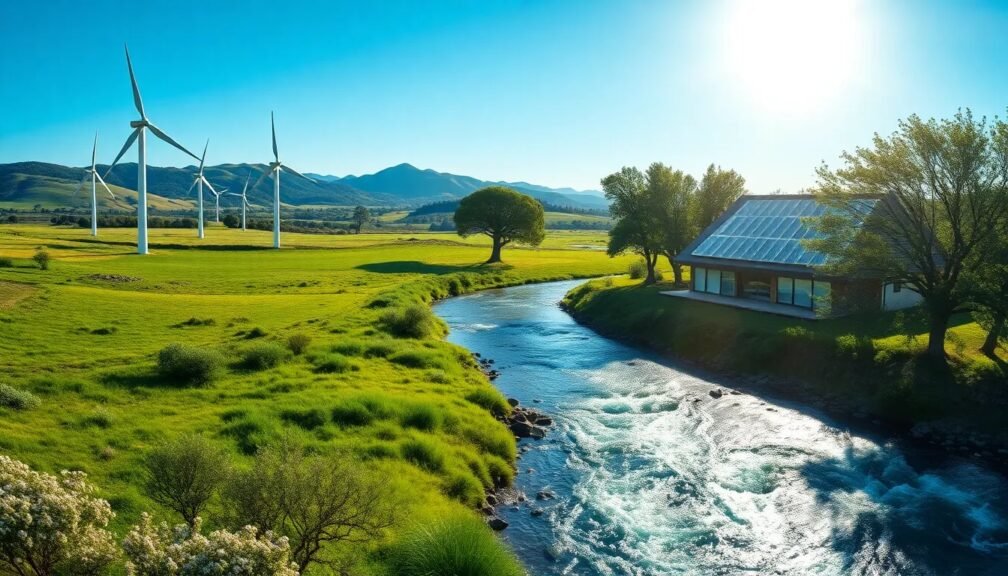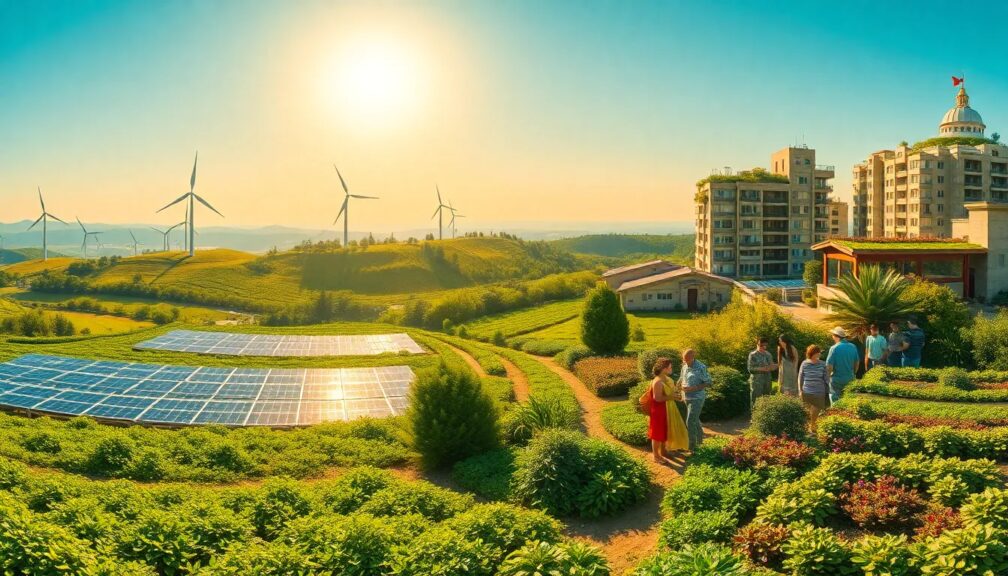
In an era where the impact of climate change is becoming increasingly evident, the shift towards low-carbon energy sources has never been more critical. The search for sustainable energy solutions is not just a necessity for our planet’s health; it’s an economic opportunity. Innovations in low-carbon energy are paving the way for a greener future, enabling industries to thrive while minimizing their environmental footprint. In this article, we will explore the latest advancements in low-carbon energy technologies, their potential impact, and how we can actively participate in this vital transition.
Understanding Low-Carbon Energy
Low-carbon energy refers to energy sources that emit little to no carbon dioxide when generated. This includes renewable energy options such as solar, wind, hydroelectric, and geothermal, as well as nuclear energy and certain bioenergy technologies. The adoption of these forms of energy is crucial for reducing greenhouse gas emissions and combating climate change.
The Importance of Low-Carbon Energy
Transitioning to low-carbon energy is essential for various reasons:
- Climate Mitigation: Reducing carbon emissions helps combat global warming, mitigating severe weather events, rising sea levels, and loss of biodiversity.
- Energy Independence: Low-carbon energy sources can decrease reliance on fossil fuels, enhancing national energy security.
- Economic Opportunities: The shift to low-carbon technologies fosters job creation and stimulates economic growth in emerging energy sectors.
Innovations in Low-Carbon Energy Technologies
1. Solar Power Advancements
Solar energy is one of the fastest-growing low-carbon energy sources, offering a sustainable solution to meet our energy needs. Recent innovations include:
- Bifacial Solar Panels: These panels can capture sunlight on both sides, increasing efficiency and energy output by up to 30%.
- Solar Paint: Researchers are developing solar paint technology that can turn any surface into a solar energy collector, making solar energy accessible in urban environments where space is limited.
- Floating Solar Farms: Installing solar panels on bodies of water not only generates energy but also reduces evaporation and keeps the panels cool, improving efficiency.
2. Wind Energy Enhancements
Wind energy continues to lead the charge in low-carbon power generation. Key innovations in this field include:
- Larger Turbines: The development of larger and more efficient turbines increases the amount of energy produced, making wind power more viable than ever.
- Offshore Wind Farms: These farms utilize stronger and more consistent winds found over oceans, resulting in significant energy generation potential while minimizing land use conflicts.
- Innovative Materials: Researchers are exploring lighter, stronger materials for turbine blades, allowing for greater heights and efficiency.
3. Energy Storage Solutions
As low-carbon energy sources like solar and wind are inherently intermittent, innovative energy storage solutions are crucial. Recent advancements include:
- Battery Technology: Lithium-ion batteries have revolutionized stored energy, but new technologies like solid-state batteries and flow batteries are emerging, promising even higher efficiency and lower costs.
- Hydrogen Storage: Hydrogen, when produced through electrolysis using renewable energy, can serve as a clean fuel source. New storage technologies are making hydrogen more accessible and efficient.
4. Smart Grids and Energy Management Systems
The integration of smart technology within energy systems is vital for optimizing low-carbon energy use:
- Smart Grids: These advanced energy grids use digital communication technology to enhance reliability and efficiency, allowing for real-time data collection and energy distribution.
- Demand Response Systems: These systems adjust energy consumption patterns by incentivizing users to reduce or shift usage during peak periods, optimizing the use of low-carbon energy sources.
5. Sustainable Transportation Solutions
Decarbonizing the transportation sector is crucial for a sustainable future. Innovations include:
- Electric and Hydrogen Vehicles: The rapid development of electric vehicles (EVs) and hydrogen fuel cell technologies is transforming personal and public transportation.
- Biofuels: Innovative production methods for biofuels from waste materials circumvent traditional agricultural sources, reducing competition for food resources.
Global Trends in Low-Carbon Energy Adoption
Countries worldwide are making strides toward incorporating low-carbon energy sources into their energy mix:
- Policy Initiatives: Governments are implementing policies such as subsidies, tax incentives, and renewable energy targets to encourage the adoption of low-carbon technologies.
- International Agreements: Global cooperation, as seen in the Paris Agreement, aims to limit global warming by reducing carbon emissions. Participating countries are investing heavily in low-carbon energy infrastructures.
- Corporate Responsibility: Many companies are setting ambitious sustainability goals, committing to transition to renewable energy sources and reducing their carbon footprint.
Challenges in Transitioning to Low-Carbon Energy
Despite the promising advancements, several challenges still need to be addressed:
- Infrastructure Investments: Transitioning to low-carbon energy requires significant upfront capital for infrastructure development and upgrades.
- Public Acceptance: Some communities may resist the installation of renewable energy projects due to perceived negative impacts on their environment or lifestyle.
- Regulatory Frameworks: The lack of cohesive regulatory structures can hinder the rapid deployment of innovative low-carbon technologies.
Conclusion: A Call to Action
As we stand at a pivotal moment in history, the transition to low-carbon energy is both an urgent necessity and a tremendous opportunity. Innovations in solar power, wind energy, energy storage, smart grids, and sustainable transportation pave the way for a greener, more sustainable future.
How You Can Contribute
- Educate Yourself and Others: Stay informed about low-carbon energy developments and share your knowledge within your community.
- Support Clean Energy Initiatives: Advocate for policies that promote renewable energy sources and support local clean energy projects.
- Make Sustainable Choices: Opt for energy-efficient appliances, consider electric vehicles, and reduce energy consumption in your daily life.
- Invest in Green Technologies: If you have the means, consider investing in companies or funds focused on sustainable energy solutions.
By actively participating in the transition to low-carbon energy, we can all contribute to a healthier planet and a sustainable future. The time to act is now—let’s innovate for a greener tomorrow!