In a world increasingly aware of its ecological footprint, the quest for eco-friendly power solutions has become paramount. Traditional energy sources, primarily fossil fuels, have not only fueled our economies but also posed dire threats to our planet. In response, an array of renewable energy alternatives has emerged, aiming to meet modern energy demands while preserving our environment. This article delves deep into the various forms of eco-friendly power, their benefits, challenges, and actionable insights for individuals and businesses eager to contribute to a sustainable future.
Understanding Eco-Friendly Power
What is Eco-Friendly Power?
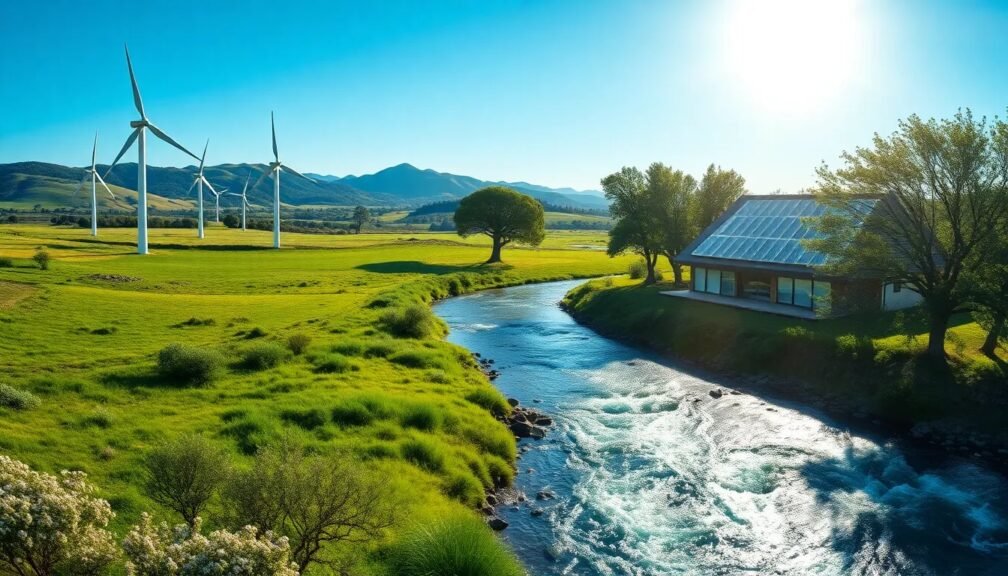
Eco-friendly power refers to energy derived from renewable sources that have minimal impact on the environment. Unlike fossil fuels, which release harmful emissions and deplete natural resources, eco-friendly alternatives are often sustainable and generate little to no pollution. These energy sources include solar, wind, hydroelectric, geothermal, and biomass energy.
The Importance of Renewable Energy
As the global population continues to grow, so does the demand for energy. Conventional energy sources are not only finite but also contribute to climate change, air pollution, and water contamination. By investing in eco-friendly power sources, we can mitigate these environmental issues while ensuring that future generations have sufficient energy to meet their needs.
Types of Eco-Friendly Power
1. Solar Energy
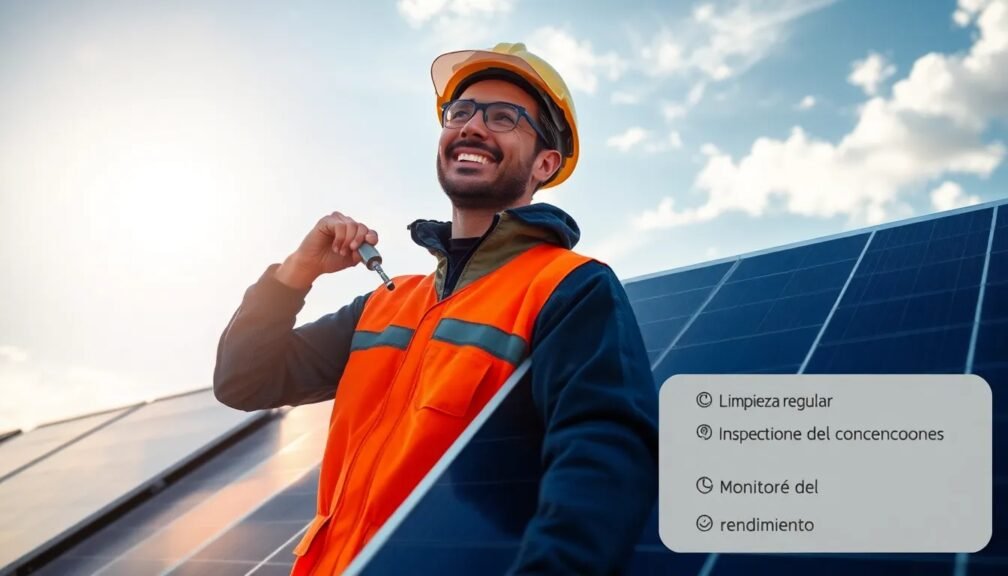
Solar energy harnesses sunlight through photovoltaic cells to produce electricity. As one of the most abundant energy sources, solar has seen tremendous growth in recent years.
Benefits
- Low Operating Costs: Once solar panels are installed, the cost of maintenance is relatively low, and sunlight is free.
- Energy Independence: Solar power allows individuals to generate their own electricity, reducing reliance on energy companies.
Challenges
- Initial Costs: The upfront investment in solar panels can be a barrier for some homeowners.
- Weather Dependent: Solar energy production decreases on cloudy days or at night.
2. Wind Energy
Wind energy capitalizes on the kinetic energy produced by wind using turbines. Onshore and offshore wind farms have become significant players in the renewable energy sector.
Benefits
- Scalability: Wind energy infrastructure can range from individual turbines to massive wind farms, catering to varying energy needs.
- Job Creation: The wind energy sector has created thousands of jobs in manufacturing, installation, and maintenance.
Challenges
- Intermittency: Wind is not consistently available, making storage solutions necessary.
- Impact on Wildlife: Wind turbines can pose risks to birds and bats.
3. Hydroelectric Energy
Hydroelectric energy relies on the force of flowing water to generate electricity, typically through dams on large rivers.
Benefits
- Reliable Power Supply: Hydroelectric power plants can produce electricity consistently year-round.
- Flexible Output: They can quickly adjust the output to meet peak energy demands.
Challenges
- Environmental Impact: Dams can disrupt local ecosystems and displace communities.
- Climate Change Effects: Changes in precipitation can affect water flow, impacting power generation.
4. Geothermal Energy
Geothermal energy taps into the heat stored beneath the Earth’s surface. This energy can be used for electricity generation or direct heating applications.
Benefits
- Constant Energy Source: Unlike solar and wind, geothermal energy is available 24/7, providing a stable energy supply.
- Minimal Land Footprint: Geothermal plants occupy less land compared to solar and wind farms.
Challenges
- Limited Locations: Geothermal resource availability is site-specific, limiting widespread adoption.
- High Initial Costs: Drilling and exploring geothermal sites can require significant investment.
5. Biomass Energy
Biomass energy utilizes organic materials, such as plant waste and animal manure, to produce heat or electricity.
Benefits
- Waste Reduction: Biomass converts waste materials into energy, reducing landfill contributions.
- Carbon Neutral: When sourced sustainably, biomass can be considered carbon neutral.
Challenges
- Deforestation Risks: Unsustainable harvesting of biomass can lead to deforestation and loss of biodiversity.
- Air Pollution: Burning biomass can release pollutants if not managed responsibly.
Integrating Eco-Friendly Power into Daily Life
Home Solutions
- Solar Panels: Homeowners can invest in solar panels to reduce reliance on grid electricity and cut energy bills.
- Energy Efficient Appliances: Using appliances certified by Energy Star can significantly reduce energy consumption.
Community Initiatives
- Local Renewable Energy Co-ops: Joining a cooperative can give community members access to renewable energy sources without hefty upfront costs.
- Urban Green Spaces: Encourage local governments to incorporate green spaces that can host solar panels or energy gardens.
Business Strategies
- Corporate Social Responsibility: Businesses can adopt eco-friendly power solutions, not only reducing operational costs but also enhancing their brand image.
- Green Certifications: Achieving certifications like LEED can attract eco-conscious consumers.
The Future of Eco-Friendly Power
The future of eco-friendly power is promising and vital for our planet’s health. As technology continues to advance, we can expect:
- Increased Efficiency: Innovations in energy storage (like batteries) and smart grids will enhance the performance of renewable sources.
- Global Collaboration: Countries are increasingly recognizing the need for cooperative approaches to address climate change, potentially leading to strengthened policies supporting renewable energy adoption.
Conclusion: Taking Action for a Greener Future
Harnessing eco-friendly power is vital not only for combatting climate change but also for ensuring a sustainable future. Whether it’s through individual actions like installing solar panels, participating in community initiatives, or corporations committing to renewable energy strategies, every step counts.
Actionable Insights
- Educate Yourself: Stay informed about renewable energy options and incentives in your area.
- Support Policies: Advocate for policies that promote investment in renewable energy infrastructure and sustainability practices.
- Choose Wisely: When making personal or business decisions, prioritize eco-friendly options.
By embracing eco-friendly power solutions, we can create a cleaner, more sustainable world for generations to come. Let’s harness the power of nature today for a brighter tomorrow.