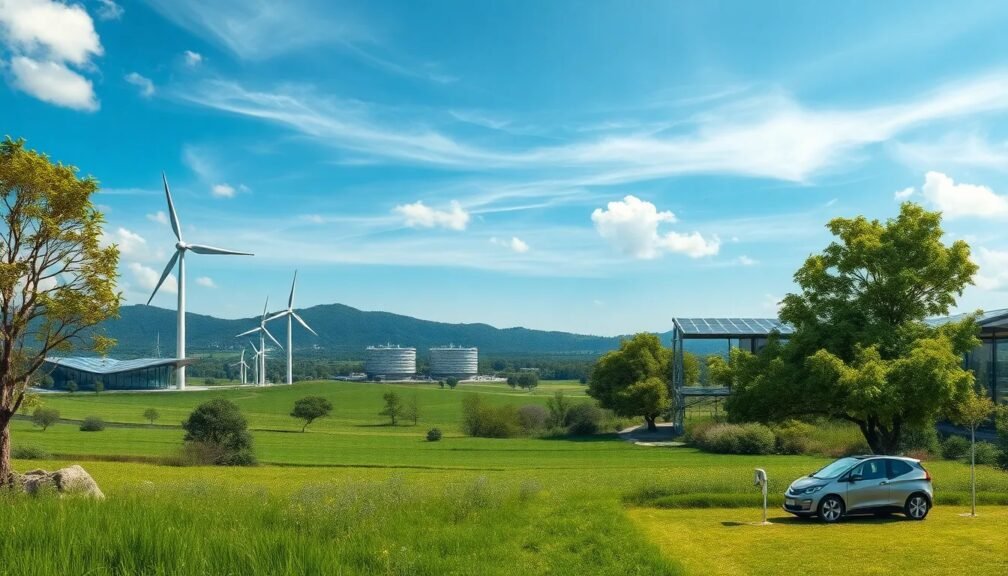
As the world grapples with escalating climate change and dwindling fossil fuel reserves, the search for sustainable energy solutions has surged in urgency. The term alternative energy encompasses various non-conventional energy sources that are reshaping our planet’s future. From solar power to geothermal energy, this article delves into the top five alternative energy sources transforming our lifestyles, economies, and environments.
The Drive for Alternative Energy
Transitioning to alternative energy sources is no longer just an environmental imperative but a practical necessity. Governments and businesses worldwide are recognizing the potential of renewable energy to reduce carbon footprints, enhance energy security, and create jobs. With advancements in technology, alternative energy is becoming increasingly viable, affordable, and essential for economic resilience.
1. Solar Power: Harnessing the Sun
Solar energy is one of the most abundant and widely adopted forms of alternative energy. By converting sunlight into electricity using photovoltaic cells, solar panels have become a common sight on rooftops and solar farms worldwide.
Benefits of Solar Energy
- Sustainability: Solar power generates electricity without depleting natural resources. It’s a clean, renewable source of energy that minimizes pollution.
- Cost Reduction: The cost of solar panels has dropped significantly over the past decade. Tax credits and incentives make this alternative energy source more accessible to individuals and businesses.
- Energy Independence: Solar energy allows households and businesses to generate their own power, reducing dependency on traditional energy suppliers.
Challenges and Solutions
While solar energy has immense benefits, challenges such as energy storage and solar panel production must be addressed. Innovations in battery technologies and recycling solar panels are paving the way for a sustainable solar future.
2. Wind Energy: Powering Change
Wind energy harnesses the kinetic energy from wind through turbines, converting it into electricity. This rapidly growing sector is an integral part of the global drive towards alternative energy.
Advantages of Wind Energy
- Low Operating Costs: After initial investments, the operating costs of wind turbines are significantly lower compared to fossil fuel counterparts. Wind is free; thus, the energy produced has minimal ongoing costs.
- Job Creation: The wind industry has created millions of jobs worldwide, from manufacturing to maintenance, making it a vital player in economic development.
- Ecological Benefits: Wind farms can coexist with agricultural uses, allowing farmers to benefit from an additional income stream while promoting clean energy.
Wind Energy Limitations
Despite its numerous benefits, wind energy is intermittent—dependent on weather conditions. Innovations in energy storage and diverse energy sources can help mitigate these limitations.
3. Hydropower: The Power of Water
Hydropower is one of the oldest and most established forms of renewable energy. By harnessing the energy of flowing water, hydroelectric plants convert this kinetic energy into electricity.
Key Benefits
- Efficiency: Hydropower plants have high efficiency rates, often exceeding 90%. They can quickly adjust to changing energy demands, making them a reliable source of alternative energy.
- Flood Control: Beyond energy production, hydro systems can also provide flood control, irrigation, and water supply for communities, offering multiple benefits.
- Long Lifespan: Hydroelectric plants are built to last, with many operating for decades, providing consistent energy output over a long period.
Environment and Community Concerns
While largely beneficial, large-scale hydropower projects can disrupt local ecosystems and communities. Future hydro projects should incorporate stakeholder engagement and environmental assessments for sustainable implementation.
4. Biomass Energy: Organic Solutions
Biomass energy derives from organic materials—including plant and animal waste—providing a renewable alternative to fossil fuels. It can be used for electricity, heat, and even transportation fuel.
Benefits of Biomass
- Waste Reduction: Biomass repurposes waste materials, reducing landfill use and lowering methane emissions.
- Carbon Neutrality: When managed sustainably, biomass production and combustion emit significantly lower greenhouse gases compared to fossil fuels.
- Energy Versatility: Biomass can be converted into various forms of energy, from biofuels to biogas, making it a flexible alternative energy source.
Challenges Ahead
The sustainability of biomass is crucial. Overharvesting can lead to deforestation and habitat loss. Implementing comprehensive agricultural practices can ensure a steady, sustainable supply without harming ecosystems.
5. Geothermal Energy: Heat Beneath Our Feet
Geothermal energy is derived from the Earth’s core, utilizing the planet’s internal heat. This renewable source can provide not only electricity but also direct heating for residential and industrial uses.
Advantages of Geothermal Energy
- Reliability: Geothermal energy is highly reliable, providing a consistent energy source irrespective of weather conditions.
- Land Footprint: Geothermal plants require less land than traditional power plants, minimizing their ecological impact.
- Low Emissions: This alternative energy source generates little to no greenhouse gases during operation.
Development Constraints
Despite its advantages, geothermal energy is site-specific and primarily limited to regions with significant geological activity. Research and investment in new technologies can help expand its viability.
Conclusion: Towards a Sustainable Future
The transition to alternative energy sources is essential for a sustainable and resilient future. By investing in solar, wind, hydropower, biomass, and geothermal energy, we can reduce our carbon footprints and improve energy security.
Actionable Insights:
- Educate Yourself: Understand the alternative energy options available in your region. Engage in community discussions about renewable energy initiatives.
- Invest in Renewables: Consider installing solar panels or supporting local renewable energy projects. Every small step contributes to significant change.
- Advocate for Policies: Support governmental and organizational policies that promote alternative energy development and sustainability.
As we continue to explore and adopt these top alternative energy sources, we can work together to create a cleaner, more sustainable world for future generations. The energy revolution is here—let’s harness it!