In an era where climate change and environmental sustainability are at the forefront of global discussions, eco-construction has emerged as a pivotal trend in the building industry. Eco-construction, characterized by its focus on sustainability and minimal environmental impact, is not just a passing fad; it’s a vital shift towards a more responsible way of building. As we step into 2023, several key trends are shaping the future of sustainable building practices. This article delves into these trends and provides actionable insights for anyone looking to engage in eco-friendly construction.
What is Eco-Construction?
Eco-construction refers to the processes and methods used in building that aim to minimize negative environmental impacts. This encompasses everything from material selection to energy efficiency and waste management. The primary goal is to create functional spaces that are not only aesthetically pleasing but also sustainable and eco-friendly.
The Importance of Eco-Construction
Adopting eco-construction practices can have numerous benefits. For starters, it contributes to reducing carbon footprints, improving energy efficiency, and enhancing the overall health of occupants. Moreover, as governments around the world begin to enforce stricter environmental regulations, incorporating eco-friendly practices is no longer optional; it’s essential for future compliance and market competitiveness.
1. Sustainable Materials: A Shift Towards Natural and Recycled Products
One of the most significant trends in eco-construction for 2023 is the increased use of sustainable materials. Builders are increasingly opting for renewable resources such as bamboo, reclaimed wood, and recycled steel. Here are some reasons why these materials are gaining traction:
Why Sustainable Materials Matter
- Low Carbon Footprint: Natural and recycled materials often require less energy to produce and transport than conventional building materials.
- Health Benefits: Many sustainable materials are free from harmful chemicals that can negatively impact indoor air quality.
- Aesthetic Appeal: Many eco-friendly materials have unique textures and visual attributes that can enhance design aesthetics.
Popular Sustainable Materials in 2023
- Bamboo: Known for its rapid growth and strength, bamboo is an excellent alternative to traditional lumber.
- Reclaimed Wood: Sourcing wood from old buildings not only saves trees but also adds character to new constructions.
- Recycled Steel: Using recycled steel reduces the demand for new steel production and creates a circular economy within the construction sector.
2. Green Roofs and Living Walls: Bringing Nature Back
Another notable trend in eco-construction this year is the incorporation of green roofs and living walls. These elements not only improve the aesthetic value of buildings but also offer several ecological benefits.
Benefits of Green Roofs and Living Walls
- Heat Regulation: They help in regulating temperature, reducing the need for heating and cooling systems.
- Biodiversity: Green roofs can serve as habitats for various plant and animal species, enhancing local biodiversity.
- Stormwater Management: By absorbing rainwater, these features help mitigate flooding and soil erosion.
How to Implement Green Roofs and Living Walls
- Choose Native Plants: Opt for local flora that requires less water and maintenance.
- Install Proper Drainage: Ensuring proper drainage systems is crucial for the longevity of green roofs.
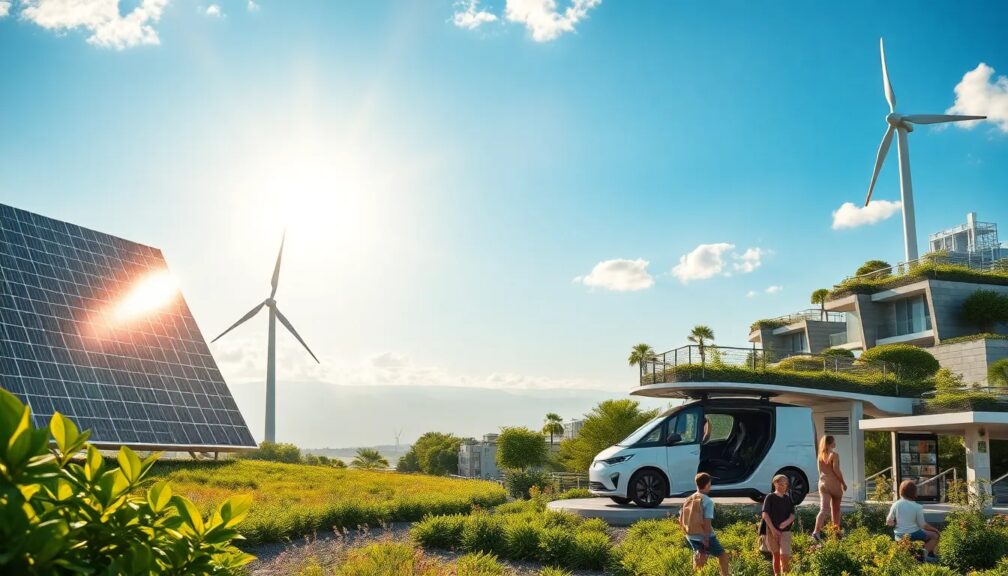
- Integration with Solar Panels: Combining these features with solar installations can further enhance energy efficiency.
3. Energy-Efficient Technologies: Smart Solutions for Sustainable Living
As technology continues to evolve, so does the potential for energy efficiency in construction. Smart building technologies are one of the most influential trends shaping eco-construction.
Innovations to Watch in 2023
- Smart Thermostats: These devices allow homeowners to optimize energy use based on occupancy and preferences.
- Energy Monitoring Systems: Real-time monitoring of energy consumption can lead to significant savings.
- Solar Panels and Battery Storage: The integration of solar energy systems paired with battery storage allows for efficient energy use and greater energy independence.
Why Energy Efficiency is Crucial
- Cost Savings: With rising energy costs, energy-efficient buildings can lead to significant savings on utility bills.
- Regulatory Compliance: Many regions offer incentives for energy-efficient buildings, making them financially appealing.
- Increased Comfort: Energy-efficient homes tend to have better temperature stability and air quality, enhancing inhabitants’ comfort.
4. Modular and Prefab Construction: Efficiency Meets Sustainability
Modular and prefabricated construction methods are gaining momentum in eco-construction, offering a unique combination of speed, efficiency, and environmental responsibility.
Advantages of Modular Construction
- Reduced Waste: Factory-controlled environments can significantly cut down on material waste compared to traditional construction methods.
- Faster Construction Times: Projects can be completed more rapidly, minimizing the impact on the environment and local communities.
- Flexible Design: Modular designs allow for greater adaptability, accommodating future changes without significant waste.
5. Biophilic Design: Connecting with Nature
Biophilic design is all about creating spaces that connect inhabitants with nature. This trend is increasingly relevant in eco-construction, emphasizing the importance of natural light, views, and organic materials.
Elements of Biophilic Design
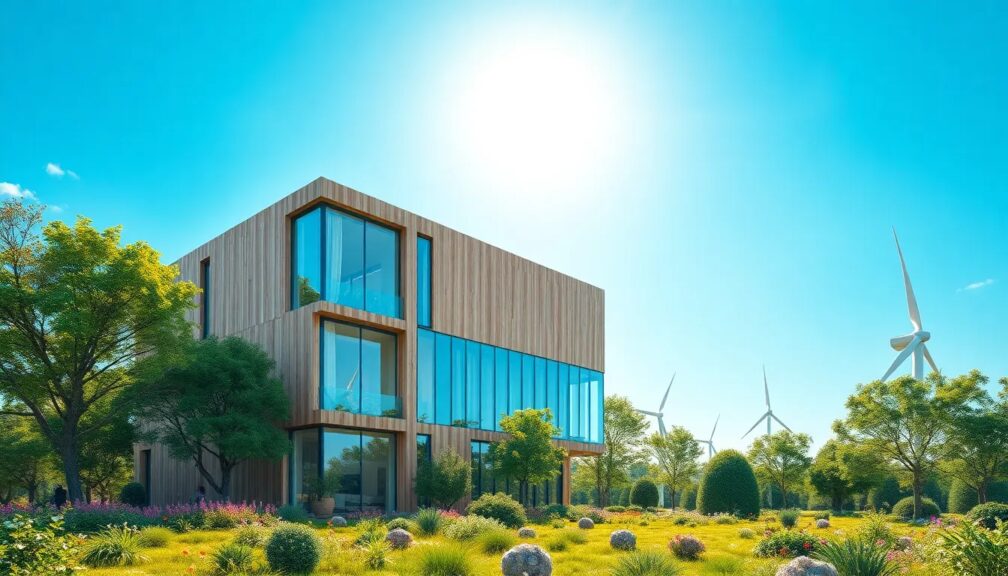
- Natural Lighting: Large windows and skylights can reduce reliance on artificial lighting.
- Natural Landscapes: Designs that incorporate external views or natural elements can enhance well-being and productivity.
- Indoor Plants: Integrating plants within living spaces not only improves air quality but also fosters a calming environment.
Why Biophilic Design Matters
- Health Benefits: Studies have shown that exposure to natural elements can reduce stress and improve mental health.
- Enhanced Productivity: Workspaces designed with biophilic principles often see boosts in employee productivity and morale.
Actionable Insights for Eco-Construction in 2023
As you embark on your eco-construction journey, consider the following actionable insights:
- Conduct an Eco-Efficiency Assessment: Analyze your current building practices and identify areas for improvement in sustainability.
- Prioritize Sustainable Materials: Whenever possible, opt for locally sourced and renewable materials.
- Embrace Technology: Invest in smart technologies to optimize energy efficiency and monitor consumption.
- Explore Modular Options: Investigate modular construction methods to reduce waste and enhance build times.
- Incorporate Nature: Utilize biophilic design principles to create spaces that benefit both occupants and the environment.
Conclusion
The trends in eco-construction for 2023 represent a significant shift toward a more sustainable and responsible building future. By embracing sustainable materials, innovative technologies, and biophilic design, we can contribute to healthier environments and a better world. Whether you’re a builder, architect, or homeowner, the principles of eco-construction are not just groundbreaking—they’re essential for our future. As we move forward, let’s aim to create spaces that not only meet our needs but also nurture the planet.