As our world grapples with climate change and resource depletion, the construction industry is stepping up to the plate with innovative solutions. Green building is at the forefront of this global movement, emphasizing sustainability and environmental stewardship. In 2024, several exciting trends in green building are set to change the landscape of architecture and construction. Whether you’re a homeowner, builder, or architect, understanding these trends can help you make informed decisions that benefit both the planet and your wallet.
The Rise of Biophilic Design
What Is Biophilic Design?
Biophilic design refers to the integration of nature into building environments to enhance the quality of life for occupants. This trend taps into our innate connection with nature, promoting health and well-being.
Why It’s Trending
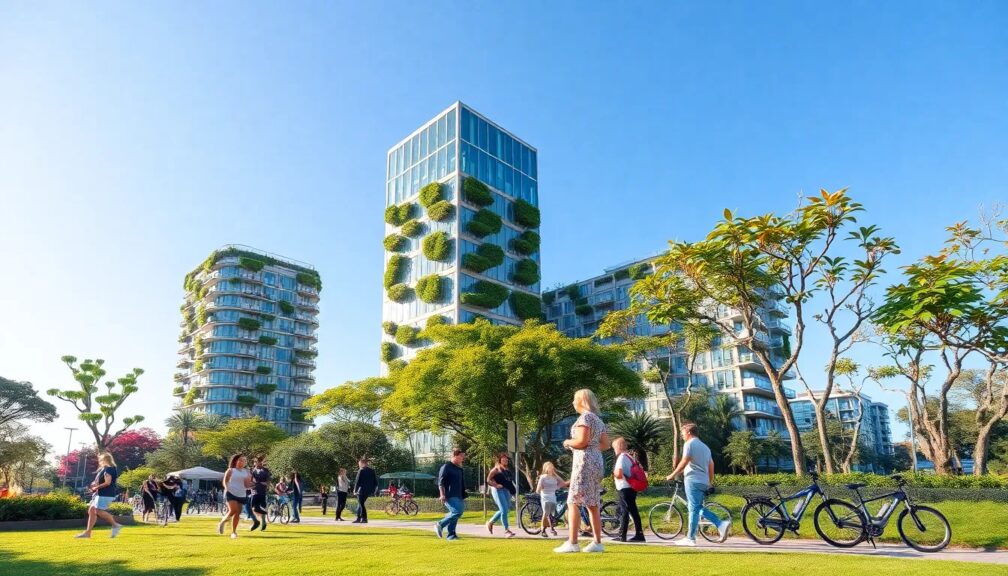
In the hustle and bustle of modern life, many find themselves detached from nature. Biophilic design can mitigate this disconnection by incorporating natural elements like plants, water features, and natural light into building designs. In 2024, we expect to see:
- Indoor Gardens: More homes and office spaces will incorporate living walls and indoor gardens.
- Natural Materials: Expect a rise in the use of wood, stone, and earth in construction, providing a seamless transition between indoor and outdoor spaces.
Benefits of Biophilic Design
- Healthier Living Conditions: Increased natural light and greenery can improve mood and productivity.
- Enhanced Aesthetics: Nature-inspired designs often lead to visually appealing spaces.
Smart Building Technology
The Role of Technology in Green Building
As technology advances, the integration of smart features into green buildings is more critical than ever. Smart building technology aims to enhance energy efficiency, create sustainable environments, and improve building management.
What to Expect in 2024
- Energy Management Systems: These systems will play a significant role in minimizing energy consumption and optimizing resource use.
- Smart Lighting: Adaptive lighting systems will optimize electricity usage based on the time of day and occupancy, significantly reducing energy waste.
Advantages of Smart Technology in Green Building
- Energy Savings: Smart technology can monitor energy usage in real-time, resulting in significant cost reductions.
- Improved Comfort: Automated systems create a more comfortable living or working environment.
Sustainable Materials
Eco-Friendly Choices in Construction
Sustainable materials are becoming increasingly popular as awareness of their importance grows. In 2024, we will see a shift toward materials that are not only eco-friendly but also offer superior performance.
Key Trends in Sustainable Materials
- Recycled Materials: From recycled steel to reclaimed wood, using repurposed materials will reduce waste and lower environmental impact.
- Biodegradable Materials: Advanced materials like hempcrete and mycelium will gain traction as alternatives to traditional building materials, which can take centuries to decompose.
Advantages of Using Sustainable Materials
- Reduced Environmental Impact: Lower carbon footprints contribute to a healthier environment.
- Durability: Many sustainable materials offer enhanced durability, reducing the need for frequent replacements.
Energy Efficiency
The Push for Net Zero Buildings
Energy efficiency is no longer just a goal; it’s a requirement for new constructions. In 2024, the focus will shift more toward net-zero energy buildings that produce as much energy as they consume.
Innovations to Expect
- Solar Panels: The use of solar technology will become standard in new constructions, allowing buildings to generate their power.
- Energy Storage Systems: Battery storage will enable buildings to use renewable energy efficiently, reducing reliance on the grid.
The Benefits of Energy Efficiency
- Cost Savings: Lower energy bills can lead to significant long-term savings.
- Increased Property Value: Energy-efficient buildings often attract higher market prices.
Water Efficiency
Water Conservation Techniques
Water shortages are becoming an increasingly pressing issue worldwide. In 2024, green building practices will place a stronger emphasis on water conservation strategies.
Trends to Watch
- Rainwater Harvesting Systems: Collecting and storing rainwater for irrigation and other non-potable uses will become a standard feature in green buildings.
- Low-flow Fixtures: The continued adoption of low-flow toilets and faucets can significantly reduce water consumption without sacrificing performance.
Why Water Efficiency Matters
- Environmental Protection: Reducing water usage helps conserve our natural resources.
- Lower Utility Bills: Water-efficient buildings can enjoy reduced costs associated with water consumption.
Modular Construction
The Benefits of Modular Green Building
Modular construction involves prefabricating building components off-site and assembling them on location. This approach can significantly speed up the construction process while also promoting sustainability.
Trends in Modular Construction for 2024
- Efficiency in Material Use: Modular construction often results in less waste compared to traditional building methods.
- Energy-Efficient Designs: Prefabricated modules can easily incorporate green building principles, such as improved insulation and energy management systems.
Advantages of Modular Green Building
- Reduced Construction Time: Fewer on-site disruptions lead to quicker completion timelines.
- Lower Environmental Impact: Less waste and energy use make modular buildings a greener option.
Community-Centric Planning
Building for People, Not Just Profit
In 2024, the focus will increasingly shift to community-centric green building. This trend emphasizes the creation of spaces that improve community welfare and foster social interactions.
What This Means for Green Building
- Mixed-Use Developments: Buildings that integrate residential, commercial, and recreational spaces promote sustainable living and reduce transportation needs.
- Public Green Spaces: Parks and communal gardens will become staples in urban planning, enhancing green connectivity.
Benefits of Community-Centric Planning
- Enhanced Quality of Life: Well-planned communities can offer better living conditions and foster social ties.
- Sustainability: By reducing reliance on vehicles, these designs aid in decreasing carbon footprints.
Conclusion: Embracing the Future of Green Building
As we approach 2024, the green building landscape is set for transformation through innovation and community-focused designs. Whether it’s incorporating biophilic elements, utilizing smart technologies, or prioritizing sustainable materials, the movement is not just about constructing buildings—it’s about creating a healthier planet for generations to come.
Actionable Insights
- Stay Informed: Keep up with new green building trends by following industry news and attending relevant conferences.
- Create Sustainable Spaces: Start small; consider incorporating energy-efficient appliances and fixtures in your home.
- Invest in Green Technologies: Whether you’re building or renovating, invest in renewable energy sources, smart technology, and sustainable materials.
By understanding and adopting these trends, you can play a part in the green building revolution and contribute to a more sustainable future.