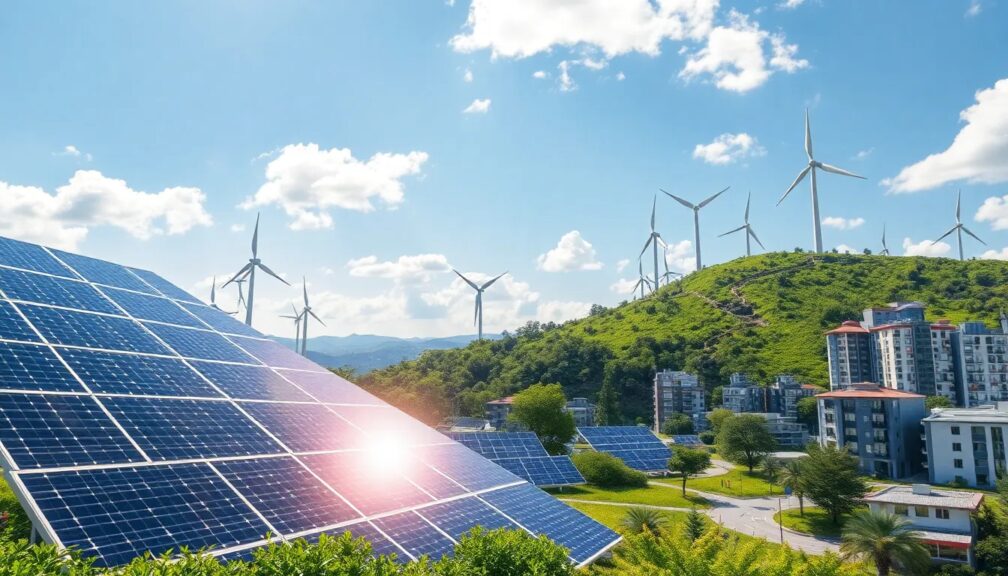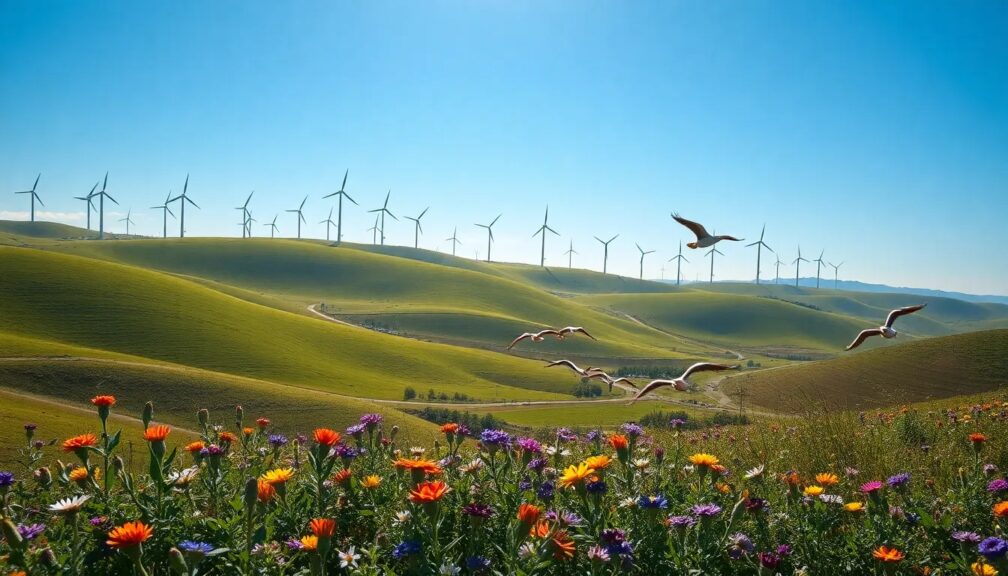
As the global community grapples with the repercussions of climate change, the transition to renewable energy sources has gained monumental importance. Among these, wind farms stand out as a beacon of hope — transforming nature’s powerful winds into clean, sustainable energy. This article explores the intricacies of wind farms, their benefits, challenges, and the future they promise for a greener planet.
Understanding Wind Farms
What Are Wind Farms?
Wind farms are groups of wind turbines located in the same area, designed to generate electricity from wind energy. The turbines convert kinetic energy from the wind into mechanical power, which is then used to produce electricity. These farms can be found onshore or offshore, each with unique benefits and challenges.
How Do Wind Farms Work?
Wind farms operate on a simple principle: utilizing the wind’s force to turn large blades attached to turbines. When the wind blows, it turns these blades, generating energy. This motion activates a generator that converts mechanical energy into electrical energy. The electricity is then transmitted to the grid, providing power to homes and businesses.
The Growing Importance of Wind Energy
Environmental Benefits
One of the most significant advantages of wind farms is their environmentally friendly nature. Unlike fossil fuels, wind energy produces no greenhouse gas emissions, which are a primary driver of climate change. By harnessing wind power, we can significantly reduce our carbon footprint and combat global warming.
Economic Advantages
Investing in wind farms also offers economic benefits. These facilities create jobs in construction, maintenance, and operation. Moreover, wind energy can lower energy costs in the long run due to its declining installation and operational costs. As technology advances and economies of scale come into play, the price of wind-generated electricity continues to fall.
Energy Independence and Security
Wind energy contributes to energy independence. By developing wind farms, countries can reduce their reliance on imported fossil fuels, enhancing national security. In a world where energy prices fluctuate, generating electricity from domestic, renewable sources can stabilize energy costs.
Types of Wind Farms
Onshore Wind Farms
Onshore wind farms are located on land and are characterized by turbines built on hills, open plains, and offshore cliffs, where winds are no longer hindered by obstructions. These farms are typically more cost-effective to install and maintain than offshore farms. However, they do require significant land use and can face opposition from local communities concerned about noise and visual impact.
Offshore Wind Farms
Offshore wind farms are positioned in bodies of water, taking advantage of stronger and more consistent winds. While installation costs are higher, the energy generated can be substantial, making them an attractive option in regions with limited land. The environmental impact during construction must be carefully managed, prioritizing marine life and ecosystems.
The Challenges Facing Wind Farms
Land Use and Environmental Concerns
As wind farms require substantial land or water areas, they can disrupt local ecosystems and wildlife habitats. The installation process can pose threats to birds, bats, and other wildlife, leading to calls for eco-conscious planning and mitigation measures.
Intermittency Issues
Wind energy is not consistent; its availability fluctuates based on weather conditions. This intermittency can pose challenges for energy grid management. To combat this, integrating wind farms with other renewable sources and implementing robust energy storage solutions are essential.
Initial Costs and Investment
While the operational costs of wind farms are decreasing, initial capital investment can still be a barrier for many projects. Public-private partnerships and government incentives play a pivotal role in alleviating these financial burdens, paving the way for more widespread wind energy adoption.
The Future of Wind Farms
Technological Advancements
The future of wind farms is bright, thanks to rapid technological advancements. Innovations in turbine design, efficiency improvements, and energy storage solutions are driving down costs and enhancing the viability of wind energy. Larger, more efficient turbines can now generate more electricity from less wind, optimizing resource use.
Government Policies and Incentives
Supportive government policies and incentives are crucial for accelerating the growth of wind energy. Many nations are enacting regulations that promote renewable energy development, offering tax credits, grants, and subsidies. These initiatives can significantly boost investments in wind farms, propelling the transition to a greener future.
Community Engagement and Involvement
Engaging local communities is vital for the successful deployment of wind farms. Informed and involved communities can help mitigate opposition by understanding the benefits involved. Initiatives like profit-sharing, education programs, and transparent communication about environmental impacts can foster community support and collaboration.
Conclusion: A Call to Action
As the world faces the pressing challenges of climate change and environmental degradation, the role of wind farms as sustainable energy sources becomes increasingly crucial. Transitioning to wind energy not only helps in reducing greenhouse gas emissions but also promotes energy independence, economic growth, and job creation.
To harness the full potential of wind farms, we must advocate for supportive policies, improve public awareness, and encourage personal and community engagement in renewable projects. As individuals, we can support this transition by considering renewable energy options for our homes, participating in local energy initiatives, and advocating for policies that prioritize sustainability.
In the journey towards a greener future, wind farms are not just a solution; they are a symbol of hope, innovation, and the collective effort required to protect our planet. Let’s embrace this wind revolution and work together to harness nature’s power for generations to come.