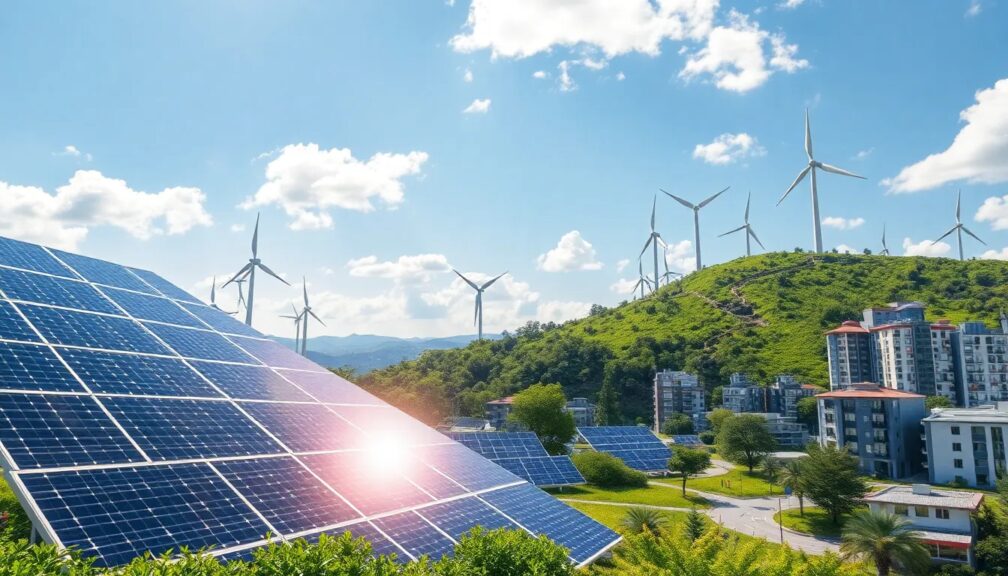
In an era marked by climate change and environmental degradation, the demand for sustainable energy solutions has never been more critical. Enter clean tech solutions—innovative technologies designed to reduce environmental impact while meeting the energy needs of a growing global population. But what exactly are clean tech solutions, and how are they revolutionizing renewable energy today? This article dives deep into the world of clean technology, exploring its significance, applications, and the future it promises.
What are Clean Tech Solutions?
To understand clean tech solutions, we first need a clear definition. Clean technology refers to products, services, and processes that use renewable materials and energy sources, reduce emissions and waste, and have a positive environmental impact. They seek to enhance sustainability across various sectors, including energy, transportation, agriculture, and recycling.
Key Features of Clean Tech Solutions
- Sustainability: The primary goal is to minimize the ecological footprint.
- Innovation: Clean tech solutions often involve cutting-edge technologies like artificial intelligence, blockchain, and IoT.
- Efficiency: These solutions aim to optimize resource use, whether it’s energy, water, or raw materials.
The Importance of Clean Tech Solutions in Renewable Energy
Renewable energy sources, including solar, wind, hydro, and geothermal, are at the forefront of clean tech solutions. Let’s explore how clean tech is transforming these sectors.
1. Solar Energy: Harnessing the Power of the Sun
Solar energy is one of the most promising elements of clean tech solutions. Innovations like photovoltaic cells, solar panels, and solar thermal energy systems are making solar energy more accessible and efficient.
Recent Innovations in Solar Tech
- Bifacial Solar Panels: These panels capture sunlight from both sides, increasing energy output.
- Floating Solar Farms: Installed on water bodies, they reduce land use and thermal evaporation.
According to a report by the International Renewable Energy Agency (IRENA), global solar energy capacity has skyrocketed, contributing significantly to clean tech solutions worldwide.
2. Wind Energy: The Power of the Breeze
Wind energy is another vital player in the clean tech landscape. Turbines have become larger, more efficient, and cheaper to manufacture.
Advancements in Wind Technology
- Horizontal and Vertical Axis Turbines: Offering flexibility for various landscapes.
- Offshore Wind Farms: Harnessing stronger winds at sea to generate massive amounts of energy.
These innovations make wind energy a critical component of sustainable energy solutions.
3. Energy Storage Solutions: The Key to Sustainability
One of the challenges with renewable energy is its intermittency; clean tech solutions address this with advanced storage systems.
Batteries and Beyond
- Lithium-ion Batteries: Widely used for home and commercial energy storage.
- Grid-Scale Solutions: Such as pumped hydro storage, help stabilize energy supply.
Energy storage is crucial for leveraging renewable sources effectively and ensures a consistent supply of clean energy.
4. Smart Grids and Energy Management Systems
As we embrace clean tech solutions, the role of smart grids cannot be understated. These advanced electric grid systems are equipped with digital communication technology to manage electricity flow more efficiently.
Benefits of Smart Grids
- Demand Response: Allows consumers to adjust their energy usage during peak times.
- Decentralized Energy Sources: Enhances the integration of renewable sources into the grid.
Smart grids are a game-changer in the transition to renewables, optimizing energy usage and reducing waste.
Global Initiatives: The Push for Clean Tech Solutions
Clean tech solutions are not limited to individual innovations. Various global initiatives are promoting the widespread adoption of sustainable technologies.
1. The Paris Agreement
The Paris Agreement solidified international commitments to combat climate change. Countries are increasingly implementing clean tech solutions as part of their climate action plans to meet their targets.
2. The United Nations Sustainable Development Goals (SDGs)
Part of the UN 2030 Agenda, the SDGs emphasize sustainable energy access for all. Clean tech solutions are essential to achieving these goals, particularly Goal 7, which focuses on affordable and clean energy.
3. Investment Trends
Investments in clean technology have surged in recent years, with venture capital and government-funded initiatives supporting innovations in renewable energy.
- Corporate Sustainability: Leading companies are committing to achieving net-zero emissions through clean tech solutions.
Challenges Facing Clean Tech Solutions
While clean tech solutions present numerous opportunities for transforming renewable energy, they aren’t without challenges.
1. High Initial Costs
The initial investment for clean technologies can be daunting, deterring both individual and corporate adopters. However, the long-term savings often offset these costs.
2. Infrastructure Gaps
In many regions, outdated infrastructure can hinder the integration of clean tech solutions. Investments in modernizing energy grids and transportation systems are necessary.
3. Policy and Regulatory Hurdles
Uncertain regulations can slow down the pace of innovation. A cohesive policy landscape is essential for fostering rapid development in clean technology sectors.
The Future of Clean Tech Solutions
Looking ahead, the future of clean tech solutions seems promising. With continuous advancements in technology and increasing global awareness about climate change, several trends are likely to shape the sector.
1. Decentralized Energy Systems
The rise of decentralized energy systems will empower communities to generate their energy, making renewable sources more accessible.
2. Carbon Capture and Storage (CCS)
Innovations in carbon capture technologies may revolutionize fossil fuel energy production and complement renewable efforts.
3. Circular Economy
Waste reduction and resource optimization through clean tech solutions will play a crucial role in moving towards a circular economy, where products are reused, repaired, and recycled.
Actionable Insights for Businesses and Individuals
So, what can businesses and individuals do to embrace clean tech solutions?
- Invest in Renewable Energy: Consider solar panels or wind turbines for your home or business.
- Stay Informed: Keep abreast of technological advancements in clean tech solutions.
- Advocate for Policy Change: Support regulations that promote sustainable energy initiatives.
- Invest in Education: Encourage individuals in your community to learn about clean technology’s benefits.
Conclusion
Clean tech solutions are revolutionizing renewable energy and paving the way for a sustainable future. By integrating innovative technologies across various sectors, we can significantly reduce our environmental impact while enhancing the quality of life for future generations. Embracing these solutions is not only a step towards sustainability but also an essential response to the pressing challenges posed by climate change. Whether you are a business looking to innovate or an individual aiming to make a difference, the journey towards sustainability starts with you. Let’s harness clean tech solutions to build a cleaner, greener future together!