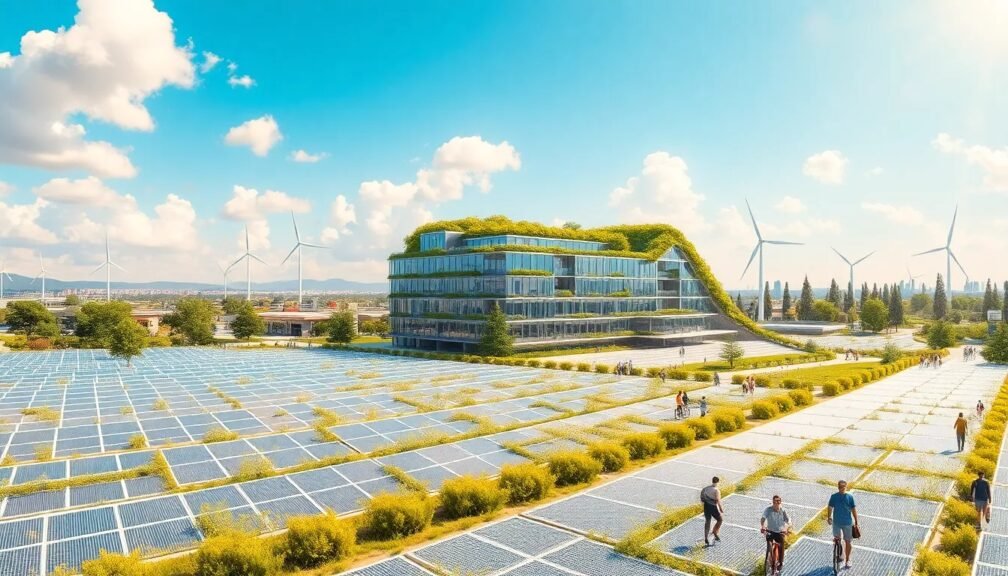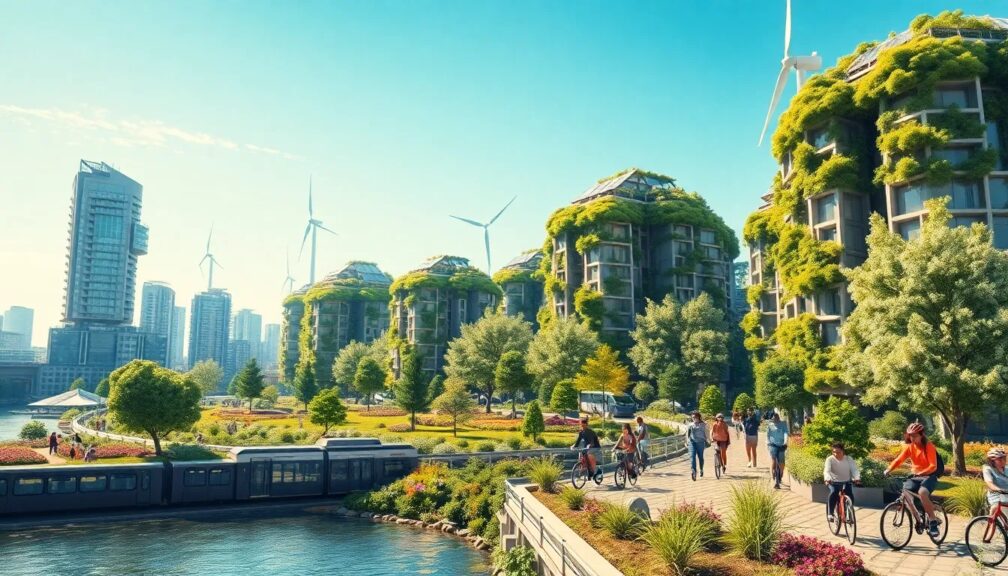
As the world grapples with the dire consequences of climate change, the concept of a sustainable future has never been more critical. Innovations in technology and practices are paving the way for a greener, more resilient planet. In this article, we will explore ten remarkable innovations that are significantly contributing to a sustainable future. Each of these advancements not only mitigates environmental damage but also enhances quality of life, showcasing the potential of human ingenuity in addressing global challenges.
1. Renewable Energy Technologies
Harnessing the Power of Nature
The shift from fossil fuels to renewable energy sources is fundamental to achieving a sustainable future. Solar, wind, and hydroelectric power are leading the charge. Solar panels have become increasingly efficient, with advanced photovoltaic cells converting sunlight into energy at unprecedented rates. Wind farms are also expanding, providing clean energy while minimizing ecological disruption.
Innovations in Energy Storage
In addition to generating renewable energy, innovations in energy storage, such as advanced lithium-ion batteries and grid-scale storage solutions, are crucial for balancing supply and demand. These technologies ensure that energy produced from renewable sources can be stored and utilized even when the sun isn’t shining or the wind isn’t blowing.
2. Smart Agriculture
Feeding the Future Sustainably
Agriculture is at the heart of human survival, but traditional farming methods often harm the environment. Smart agriculture utilizes precision farming techniques, integrating sensor technology and data analytics to optimize crop yields. This innovation reduces water usage and minimizes pesticide application, making it an essential component of a sustainable future.
Vertical Farming and Hydroponics
Vertical farming and hydroponic systems are revolutionizing food production. By growing crops in controlled environments, often in urban settings, these innovations significantly decrease transportation emissions and land use. They allow food to be produced closer to where it’s consumed, ensuring freshness and reducing waste.
3. Circular Economy Models
Rethinking Waste
The circular economy challenges the traditional linear model of “take, make, dispose.” Instead, it emphasizes reusing, recycling, and refurbishing products to extend their lifecycle. Innovations here include biodegradable materials and sustainable packaging solutions, which reduce landfill waste.
Upcycling and Resource Recovery
Innovations that focus on upcycling—converting waste into valuable materials or products—are also thriving. Companies are finding creative ways to repurpose materials, promoting a sustainable future by reducing the need for raw material extraction.
4. Electric Vehicles (EVs)
Reducing Carbon Footprints
As fossil fuel reliance diminishes, the electric vehicle market is booming. EVs produce zero tailpipe emissions, significantly reducing greenhouse gases when powered by renewable energy sources. Battery technology advancements are also making electric vehicles more affordable and accessible.
Infrastructure Innovations
The development of EV infrastructure, such as widespread charging stations and smart grids, is essential for supporting this transition. Innovations like ultra-fast charging stations and vehicle-to-grid technology enhance the sustainability of the transportation network as a whole.
5. Sustainable Building Materials
Green Architecture
The construction industry is a major contributor to global carbon emissions. Sustainable building materials, such as bamboo, reclaimed wood, and recycled plastics, are becoming essential for creating eco-friendly buildings. Innovations in insulation, such as mycelium-based products, enhance energy efficiency while minimizing environmental impact.
Smart Building Technology
Incorporating smart technology in buildings can significantly reduce energy use. Systems equipped with IoT sensors monitor energy consumption and optimize resource use, creating an environment that supports a sustainable future.
6. Water Conservation Technologies
Saving Our Most Precious Resource
Access to clean water is a growing challenge globally. Innovations in water conservation, including advanced irrigation systems and greywater recycling, are crucial in this regard. Smart irrigation systems use weather data and soil moisture sensors to optimize water usage, thereby conserving this vital resource.
Desalination Solutions
Desalination technology is also evolving. Innovations in membrane technology and solar desalination are making it possible to transform seawater into drinkable water more efficiently and sustainably, potentially providing clean water to arid regions.
7. Carbon Capture and Storage (CCS)
Tackling Climate Change Head-On
Carbon capture and storage technologies offer a viable solution for reducing atmospheric CO2 levels. By capturing carbon emissions from industrial processes and storing them underground, CCS plays a critical role in moving towards a sustainable future.
Innovations in Direct Air Capture
Further innovations in direct air capture technologies are emerging, allowing the extraction of CO2 directly from the atmosphere. These breakthroughs could play a significant role in mitigating climate change on a larger scale.
8. Biodegradable Plastics
A Solution to Plastic Pollution
Plastic pollution is a massive environmental challenge. Biodegradable plastics, made from renewable biomass sources instead of petroleum, are gaining traction as a sustainable alternative. Innovations in this field are leading towards the mass adoption of materials that break down more easily in environmental conditions.
The Role of Legislations and Consumer Choices
The implementation of regulations promoting biodegradable options and increasing consumer awareness can expedite the adoption of these sustainable materials, contributing to a serious shift toward a sustainable future.
9. Sustainable Fashion
Revolutionizing the Apparel Industry
The fashion industry is notorious for its environmental impact. Sustainable fashion focuses on eco-friendly materials, ethical production practices, and reducing waste through recycling and upcycling.
Innovations in Fabric Technology
Innovations in fabric technology, such as developing textiles from organic waste or recycled plastics, are making sustainable fashion more accessible. Brands are increasingly prioritizing transparency and sustainability in their supply chains, appealing to eco-conscious consumers.
10. Digital Technology and Sustainability
Smart Solutions for Global Challenges
Digital technology plays a vital role in fostering a sustainable future. From AI-driven analytics identifying energy inefficiencies to blockchain solutions enhancing supply chain transparency, technology is a powerful tool in the quest for sustainability.
Remote Work and Reduced Carbon Footprint
The rise of remote work, accelerated by the recent pandemic, has also led to a reduction in commuting emissions. As more companies adopt flexible work arrangements, the carbon footprint from transportation may decrease significantly.
Conclusion: Steps Towards a Sustainable Future
The innovations discussed above represent just a fraction of what is possible in shaping a sustainable future. As businesses, governments, and individuals pursue these technologies, it is essential to adopt sustainable practices universally.
Actionable Insights for Individuals and Businesses
- Invest in Green Technologies: Support and invest in sustainable technologies and renewable energy solutions.
- Adopt Sustainable Practices: Whether through reducing waste, recycling, or choosing eco-friendly products, small actions can sum up to significant impacts.
- Educate Yourself and Others: Spread awareness about sustainable practices and the importance of innovation in combating climate change.
In embracing these innovations collectively, we can unlock a sustainable future, forging a planet that thrives not just for ourselves but for generations to come. The time for action is now. Let’s shape a healthier, more sustainable world together.