As the world grapples with climate change and the urgent need for sustainable energy solutions, onshore wind energy emerges as a beacon of hope. Using natural forces to generate clean electricity, onshore wind energy is rapidly gaining traction as a viable alternative to fossil fuels. This article aims to explore the intricacies of onshore wind turbines, the benefits they offer, the challenges they face, and future trends in this dynamic field.
Understanding Onshore Wind Energy
Onshore wind energy refers to power generated by wind turbines located on land. These turbines capture the kinetic energy of wind and convert it into electricity, which is then fed into the power grid to supply homes and businesses. Despite its relatively simple mechanics, this form of renewable energy has a profound impact on carbon reduction and energy independence.
The Mechanics of Onshore Wind Turbines
Onshore wind turbines operate through a straightforward system: wind blows against the turbine blades, causing them to rotate. This mechanical movement turns a generator that converts kinetic energy into electrical energy. There are generally two types of turbines used for onshore wind: Horizontal Axis Wind Turbines (HAWT) and Vertical Axis Wind Turbines (VAWT).
-
Horizontal Axis Wind Turbines (HAWT): These are the most common type, featuring two or three blades mounted on a tall tower. HAWTs are typically more efficient and can harness higher wind speeds.
-
Vertical Axis Wind Turbines (VAWT): While less common, these turbines have blades that move vertically. VAWTs are generally easier to maintain but are less efficient in high-wind conditions.
The choice between HAWT and VAWT often depends on factors such as location, wind patterns, and energy needs.
The Benefits of Onshore Wind Energy
Onshore wind energy has emerged as one of the most cost-effective solutions for renewable energy. Here are key benefits:
1. Environmentally Friendly
One of the most significant advantages of onshore wind is that it generates electricity without producing greenhouse gases. Unlike fossil fuels, wind energy does not contribute to air pollution, making it a cleaner option for energy production.
2. Economically Viable
The cost of onshore wind energy has dropped dramatically over the past decade, making it more competitive with traditional energy sources. According to the International Renewable Energy Agency (IRENA), the global average cost of onshore wind has decreased by 49% since 2010. This makes it accessible for nations and investors aiming to transition to a more sustainable energy portfolio.
3. Energy Independence
Onshore wind farms can contribute to a nation’s energy independence by reducing reliance on imported fossil fuels. By harnessing local wind resources, countries can ensure stable energy supplies, thus enhancing national security.
4. Job Creation
The wind energy sector has become a significant job creator. From the construction and installation of wind farms to operations and maintenance, this industry offers a range of employment opportunities that boost local economies.
5. Land Utilization
Unlike many other renewable energy solutions, onshore wind farms can coexist with agricultural land, allowing farmers to maintain their livelihoods while generating additional income through lease agreements for land used for turbines.
Challenges Faced by Onshore Wind
Despite its numerous benefits, onshore wind energy also faces a set of challenges that stakeholders must address:
1. Intermittency
Wind is a variable resource; it doesn’t always blow when electricity is needed. This intermittency necessitates creative solutions for energy storage and grid integration. Additionally, effective forecasting tools must be developed to predict wind patterns accurately.
2. Noise and Aesthetic Concerns
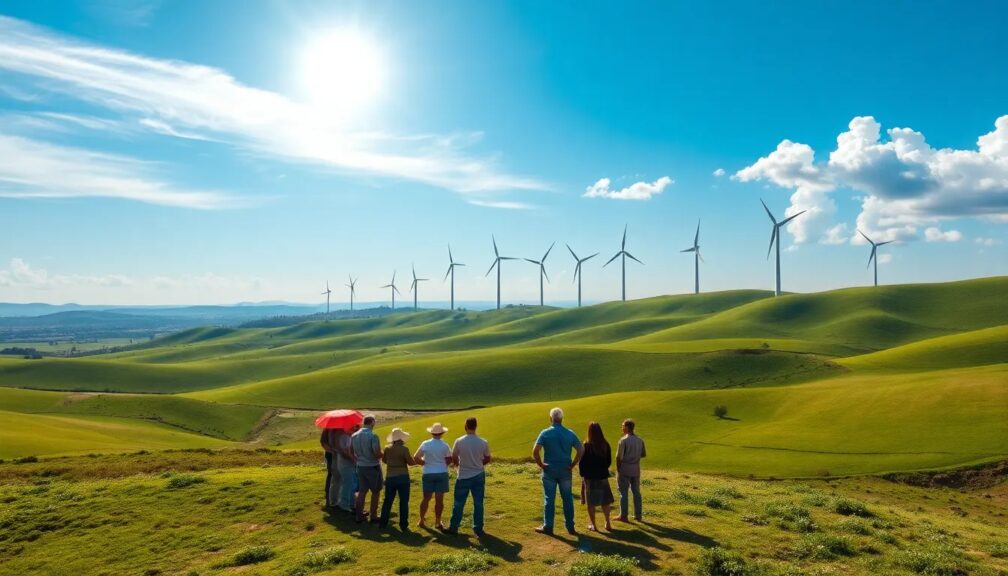
Wind turbines often face opposition due to noise pollution and concerns about their visual impact on landscapes. Community engagement and transparent planning can help mitigate these issues, ensuring that local residents are informed and involved in the decision-making process.
3. Wildlife Impact
The placement of onshore wind farms must consider the potential impact on local wildlife, particularly birds and bats. Careful site selection and the installation of technologies to minimize these impacts are essential to ensure biodiversity.
4. Infrastructure Needs
To effectively harness onshore wind energy, robust infrastructure is necessary for both transmission and maintenance. Upgrades to the electrical grid may be required to accommodate the increased influx of renewable energy.
Future Trends in Onshore Wind Energy
The future of onshore wind energy looks promising, driven by technological advancements and supportive policies. Here are some key trends shaping the landscape:
1. Technological Advancements
Innovative turbine designs are increasing efficiency and output. Enhanced materials, better aerodynamics, and larger blades are some of the advancements paving the way for a more efficient future.
2. Digital Technology Integration
The use of digital technology, including IoT and artificial intelligence, is expected to revolutionize wind farm operations. Smart monitoring systems can optimize performance and facilitate predictive maintenance, reducing downtime.
3. Policy Support
Governments worldwide are recognizing the importance of onshore wind energy in their climate agendas. Various incentives, subsidies, and regulatory frameworks are being established to promote the growth and integration of onshore wind farms.
4. Hybrid Systems
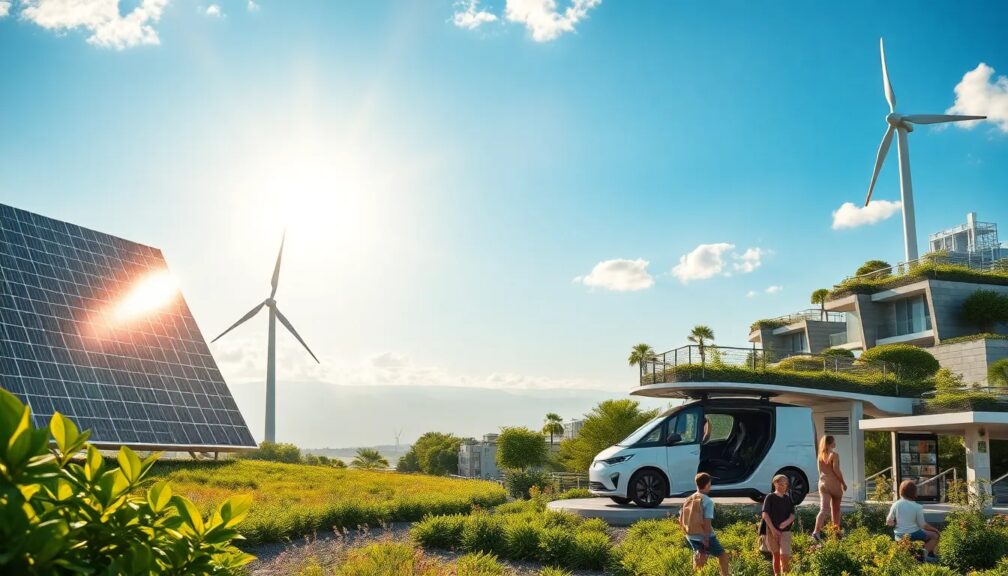
Combining onshore wind with other renewable energy sources, such as solar or energy storage systems, can create more stable and reliable energy solutions. Hybrid systems capitalize on their complementary nature, ensuring steady electricity generation.
Actionable Insights for Stakeholders
As the demand for clean energy rises, here are some actionable insights for stakeholders interested in promoting onshore wind:
-
Invest in Research and Development: Continuous innovation in turbine technology, grid integration, and monitoring systems will enhance the efficiency and reliability of onshore wind.
-
Engage Local Communities: Building strong relationships with local stakeholders is vital. Effective communication can alleviate concerns and foster community support for wind projects.
-
Advocate for Policy Support: Encourage local and national governments to implement policies that incentivize renewable energy investments, including onshore wind.
-
Explore Hybrid Energy Solutions: By considering the integration of various renewable energy sources, stakeholders can create a more dependable energy supply while maximizing efficiency.
-
Promote Educational Initiatives: Raising awareness about the benefits of onshore wind energy can prepare communities for transitions toward sustainable energy solutions.
Conclusion
Onshore wind energy stands at the forefront of the renewable energy revolution. As nations seek to address the pressing challenges of climate change and energy security, harnessing the power of wind presents a feasible solution. By understanding its mechanics, benefits, and challenges, stakeholders can navigate this evolving landscape effectively. As technology continues to advance and public support grows, the potential for onshore wind to lead the charge in sustainable energy production remains brighter than ever.
By taking proactive steps now, we can ensure a cleaner, more sustainable future powered by the winds of change.