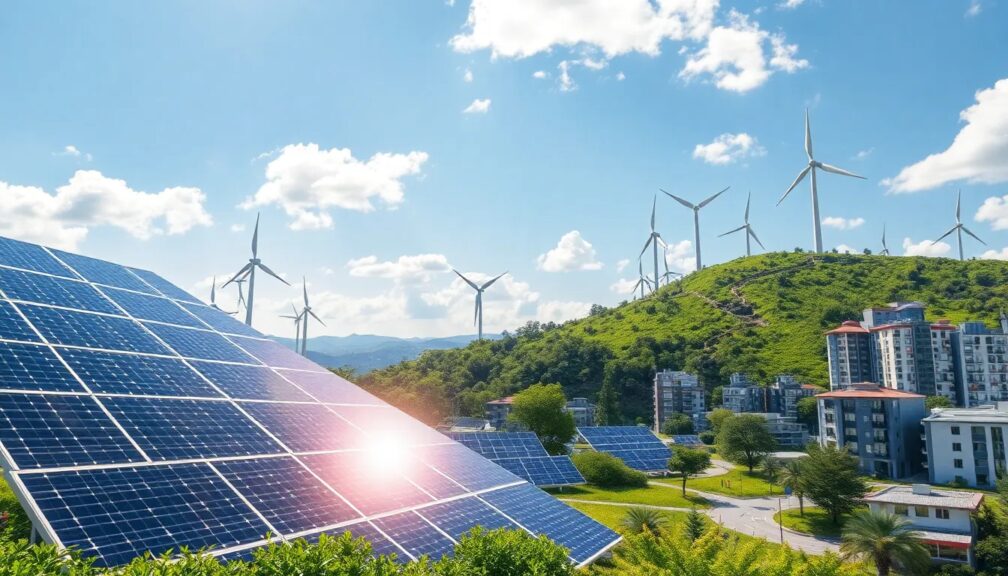
In the quest for a sustainable future, energy storage has emerged as a groundbreaking solution that revolutionizes how we harness and utilize renewable power. As the world continues to grapple with climate change and increasing energy demands, the integration of advanced energy storage technologies is becoming paramount. This article explores the critical role of energy storage in enhancing renewable power solutions, illustrating its potential to transform our energy systems, increase efficiency, and foster a cleaner planet.
The Imperative for Energy Storage
Renewable Energy Growth
With global efforts aimed at reducing carbon footprints, renewable energy sources such as solar, wind, and hydropower have gained substantial traction. Governments and organizations are investing billions in renewable technologies, seeking to create a sustainable energy ecosystem. However, one major challenge persists: the intermittent nature of these energy sources. Solar and wind power generation is seasonal and weather-dependent, leaving energy systems vulnerable to fluctuations in production.
The Role of Energy Storage
This is where energy storage solutions come into play. By safely capturing excess energy produced during peak generation times and providing it during periods of high demand, energy storage not only ensures a stable power supply but also optimizes the value of renewable resources. The ability to store energy opens the door to a wide range of applications, fundamentally changing the dynamics of energy production and consumption.
Types of Energy Storage Technologies
Battery Energy Storage Systems (BESS)
Battery Energy Storage Systems are among the most prominent solutions for energy storage today. They offer scalability and are capable of quick response times, making them ideal for managing grid stability. Lithium-ion batteries, in particular, have gained popularity due to advancements in technology that enhance their efficiency, lifespan, and affordability. These batteries are increasingly being deployed in residential, commercial, and utility-scale applications.
Pumped Hydro Storage
Pumped hydro storage (PHS) is another well-established method. In this system, water is pumped to a higher elevation during periods of low demand and released through turbines to generate electricity when required. Despite its high efficiency and long lifespan, the geographical limitations of PHS restrict its deployment in many regions.
Compressed Air Energy Storage (CAES)
Compressed Air Energy Storage is an innovative solution that uses excess electricity to compress air in underground caverns. When energy is needed, the compressed air is released, heating up and powering turbines to generate electricity. CAES is especially beneficial for large-scale energy applications, although it requires substantial infrastructure investment.
Emerging Technologies
Apart from traditional methods, emerging technologies like solid-state batteries, flow batteries, and thermal energy storage are also gaining interest. These technologies promise to enhance efficiency, reduce costs, and broaden the scope of energy storage applications, offering exciting possibilities for the future of energy solutions.
The Benefits of Energy Storage
Enhancing Grid Resiliency
One of the most significant advantages of energy storage is its ability to enhance grid resiliency. By acting as a buffer between energy production and consumption, energy storage systems can mitigate the effects of sudden demand spikes or drops in generation. This ensures a steady and reliable power supply, crucial for both homes and industries.
Cost Efficiency
Energy storage also facilitates cost savings for consumers and utility companies alike. By storing energy during off-peak times when prices are low and discharging it during peak demand, energy storage helps optimize energy expenses. This not only makes renewable energy more affordable but also reduces the reliance on fossil fuels and traditional peaker plants that are often called upon during periods of high demand.
Environmental Impact
From an environmental standpoint, integrating energy storage with renewable energy sources significantly reduces greenhouse gas emissions. By maximizing the use of clean energy and minimizing reliance on fossil fuel-based systems, energy storage plays a pivotal role in combating climate change and promoting sustainable energy practices.
Empowering Homeowners and Businesses
Energy storage solutions empower homeowners and businesses with greater control over their energy consumption. With systems like home batteries, residential consumers can store energy during the day for use at night, maximizing their use of solar power. This independence not only lowers energy bills but also enhances energy security.
Energy Storage Applications
Grid Services
Energy storage systems provide critical services to the grid, such as frequency regulation, voltage control, and spinning reserves. These services enhance the overall stability and reliability of the power system, ensuring that electricity supply meets demand at all times.
Microgrids
As energy systems become decentralized, microgrids equipped with energy storage are becoming more prevalent. These localized energy networks can operate independently or in conjunction with the main grid, providing resilience to communities during outages or emergencies.
Electric Vehicles (EVs)
The electric vehicle market represents a growing application for energy storage. EVs not only serve as modes of transportation but also have the potential to act as mobile energy storage units. By discharging energy back to the grid during peak demand, EVs can contribute substantially to grid stability and create a circular energy economy.
Challenges and Considerations
Initial Costs
While the long-term benefits of energy storage are evident, the initial investment can be a deterrent for many consumers and businesses. Yet, as technology advances and economies of scale kick in, the costs of energy storage systems are expected to decline, making them more accessible.
Regulatory and Policy Frameworks
Developing supportive regulatory and policy frameworks is essential for fostering growth in energy storage adoption. Governments must implement incentives, guidelines, and standards that encourage the integration of energy storage into existing energy infrastructures.
Market Dynamics
As energy storage technologies evolve, market dynamics will also shift. Traditional energy providers must adapt to the changing landscape and find ways to leverage energy storage solutions to remain relevant in an increasingly decentralized energy system.
Conclusion: The Path Forward
Energy storage holds the key to a sustainable energy future. By enhancing the utilization of renewable power solutions, energy storage facilitates a cleaner, more reliable, and cost-effective energy landscape. As technological advancements continue and regulatory frameworks evolve, we can expect to see the adoption of energy storage solutions grow exponentially.
Actionable Insights
-
Stay Informed: Keep up with advancements in energy storage technologies to understand their potential applications in your home or business.
-
Consider Energy Storage: If you have renewable energy installations, explore energy storage options to maximize efficiency and energy independence.
-
Advocate for Policies: Support policies that promote the integration of energy storage in your community to accelerate the transition to sustainable energy.
-
Explore Financial Incentives: Look into financial incentives or subsidies available for energy storage systems to offset initial costs.
Incorporating energy storage into our energy ecosystems can help us harness the full potential of renewable resources, fostering a more resilient and sustainable future for generations to come.