Introduction: A New Frontier in Renewable Energy
As the world grapples with climate change and the pressing need to transition to sustainable energy sources, offshore wind energy presents a promising solution. With vast tracts of ocean surface and strong, consistent winds, offshore wind farms have the potential to significantly contribute to global energy supply. In this article, we will delve into the benefits, challenges, and future prospects of offshore wind as a vital component of our clean energy future.
What is Offshore Wind?
Definition and Mechanism
Offshore wind refers to the generation of electricity from wind turbines located in bodies of water, typically oceans. These turbines capture the kinetic energy of wind and convert it into electricity, which is then transmitted to the shore through underwater cables.
The Technology Behind Offshore Wind Turbines
Modern offshore wind turbines are remarkably engineered to withstand harsh marine environments. They often have larger blades than their onshore counterparts, allowing them to harness more energy from the stronger winds prevalent at sea. Advanced materials and technology ensure these turbines can operate efficiently in deep waters where conditions may vary dramatically.
Why Offshore Wind is Essential for a Sustainable Energy Future
1. Abundant Energy Source
The primary advantage of offshore wind is the sheer availability of wind resources. Research indicates that offshore wind can provide substantially more energy compared to onshore wind due to higher wind speeds and more consistent wind patterns. According to the Global Wind Energy Council, offshore wind energy could supply three times the world’s total energy demand, making it a crucial player in the energy transition.
2. Reduced Land Use Conflicts
Unlike onshore wind farms, which often face opposition due to their impact on landscapes and local communities, offshore wind farms can be situated far from populated areas. This drastically reduces land use conflicts and allows for more efficient spatial planning of energy resources.
3. Job Creation and Economic Growth
The offshore wind sector stands out as a beacon for job creation. From manufacturing components like turbine blades to installation and maintenance, the industry could create thousands of jobs worldwide. Furthermore, investing in offshore wind contributes to local economies, fostering innovation and infrastructure development.
The Environmental Impact of Offshore Wind
1. Lower Carbon Emissions
One of the most significant benefits of offshore wind energy is its potential to reduce greenhouse gas emissions. Generating electricity without fossil fuel combustion leads to a substantial decrease in carbon footprints, aligning with global climate goals.
2. Minimal Impact on Marine Ecosystems
While offshore wind projects require careful planning to mitigate ecological risks, studies show that properly designed and monitored installations have minimal long-term effects on marine habitats. In fact, wind farms can act as artificial reefs, enhancing biodiversity in the area.
Challenges Facing Offshore Wind Development
1. High Initial Costs
Despite the long-term economic benefits, offshore wind farms require substantial initial investments. From site assessment to turbine installation, the financial barriers can be daunting for new projects. However, as technology advances and more projects come online, these costs are expected to decrease.
2. Regulatory and Environmental Concerns
The installation of offshore wind farms involves navigating complex regulatory landscapes. Permitting processes can be lengthy and intricate, requiring thorough environmental assessments to protect marine life and habitats.
3. Technological Barriers
While technology is advancing, there are still significant challenges related to turbine efficiency, grid integration, and energy storage. For example, connecting offshore turbines to the electrical grid requires innovative solutions to ensure a stable and reliable energy supply.
The Future of Offshore Wind
1. Technological Innovations
Emerging technologies such as floating wind turbines are set to revolutionize the offshore wind sector. These innovations allow for the placement of turbines in deeper waters, locations previously considered unsuitable for traditional fixed-bottom turbines.
2. Global Growth Trends
Countries around the world are recognizing the potential of offshore wind energy. Nations like the United Kingdom, Germany, and China are leading the way in deploying offshore wind farms, while other countries like the United States are beginning to ramp up their efforts. As policies and incentives evolve, the global offshore wind market is expected to exhibit exponential growth.
3. Integration with Other Renewable Sources
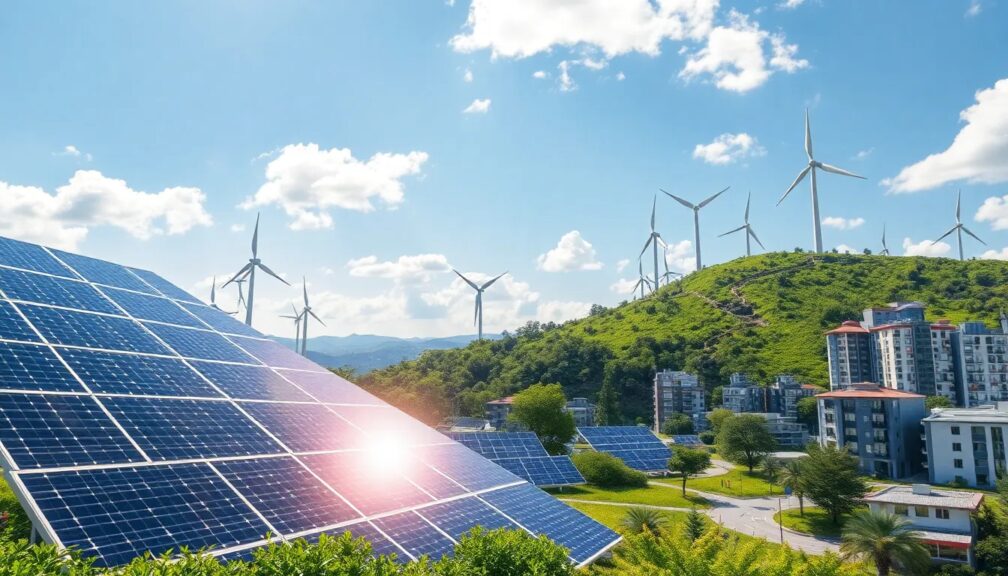
For a holistic approach to renewable energy, integrating offshore wind with solar power, battery storage, and smart grid technologies will enhance energy reliability and efficiency. This synergy can create a more resilient energy system that adapts to variable conditions.
Actionable Insights
-
Invest in Education and Awareness: Initiatives aimed at educating communities about the benefits of offshore wind can pave the way for smoother project approvals and greater public support.
-
Support Policy Changes: Advocate for policies that promote renewable energy investments, such as tax incentives and funding for research in offshore wind technology.
-
Encourage Innovation: Support companies and startups that are innovating in the offshore wind sector. Collaboration between governments, industry, and research institutions can lead to breakthroughs that drive down costs and enhance efficiencies.
-
Participate in Local Initiatives: Communities should actively engage in discussions about potential offshore wind projects, ensuring that local perspectives and concerns are taken into account during the planning stages.
Conclusion: Charting the Course for Offshore Wind
As we seek to decarbonize our economies and create a sustainable future, harnessing energy from the sea through offshore wind presents an unparalleled opportunity. With its ability to provide abundant, clean energy while sparking economic growth and minimizing land use conflicts, offshore wind is not just a trend—it’s a solution to many of our current energy challenges.
By overcoming the hurdles of high initial investment and regulatory complexities, and by fostering a collaborative spirit among stakeholders, we can unlock the full potential of offshore wind energy. As we look ahead, let’s commit to nurturing this promising resource for generations to come, ensuring a cleaner, greener planet for all.